A judge stops the Big Bend border project. The fight over federal power continues.
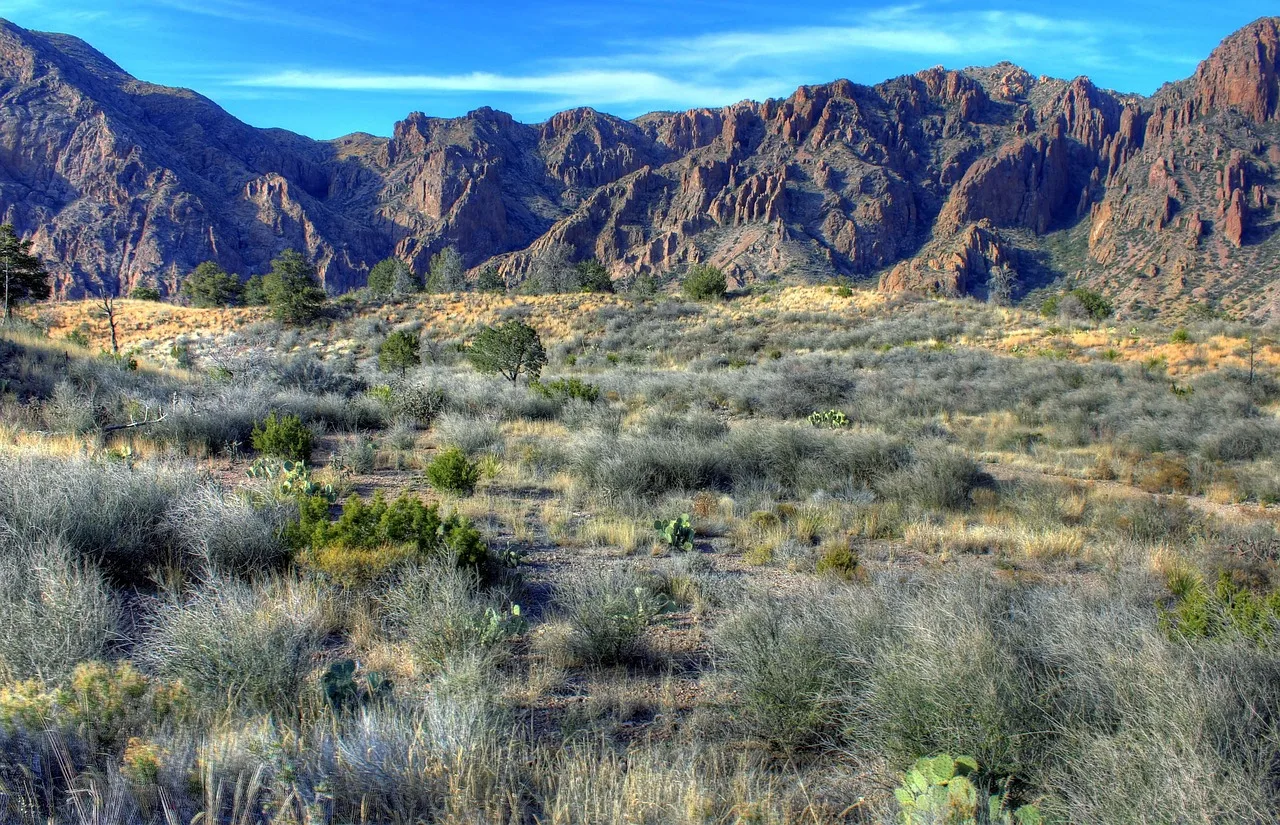
The injunction covers a wider region than the national park, where local opposition has challenged Washington’s use of legal waivers.
A federal judge blocked further border-barrier construction across the Big Bend region of Texas on October 2, halting a project that has drawn opposition from environmental groups, local landowners and historic-preservation advocates.
U.S. District Judge Kathleen Cardone granted a preliminary injunction while a lawsuit challenges the government's use of legal waivers to speed construction. The ruling pauses work; it does not finally decide every claim in the case or permanently bar all future border infrastructure in the region.
Marfa Public Radio reported that the order stops construction in the Big Bend Sector within one mile of the Rio Grande and within the state and national parks. That scope is broader than the best-known landmark, Big Bend National Park, which has attracted much of the national attention.
Who brought the challenge
The Center for Biological Diversity filed the lawsuit in April alongside Friends of the Ruidosa Church and a river guide and landowner, Danny William Miller. The Texas Tribune reported that Miller faces losing property in Redford to the wall.
The plaintiffs challenge the government's decision to waive numerous laws for the project. Their objection joins environmental and heritage concerns with a property-rights dispute over what Washington can build and which protections it can set aside.
According to the Tribune, proposed infrastructure across the region includes roads, fencing, lighting, sensors and barriers, with government contracts totaling more than $7.5 billion. Local resistance has crossed party lines, complicating any simple description of the dispute as a contest between national Democrats and Republicans.
The government's position
Customs and Border Protection told Inside Climate News that it remained confident in its legal authority to secure the border while protecting the area's landscape. That position puts the central disagreement in focus: federal officials argue the project is a lawful security measure, while opponents challenge both its consequences and the process used to authorize it.
The court found the challengers had met the standard for preliminary relief, including a likelihood of success on at least one claim and the prospect of serious harm without an injunction, according to AP. Those findings explain the pause but are not a final judgment after a completed trial.
The timing matters
An earlier court-ordered pause covering much of the region expired September 30, Marfa Public Radio reported. Construction was beginning in Hudspeth County as the new order arrived.
For affected landowners and construction planners, the immediate result is a renewed stop to work within the order's boundaries. The underlying lawsuit will determine whether the administration's waivers and project approvals survive further judicial examination.