An Ebola camp empties. Congo’s health teams race to find exposed residents
Violence has scattered people under observation, complicating containment without establishing that every contact is infected.
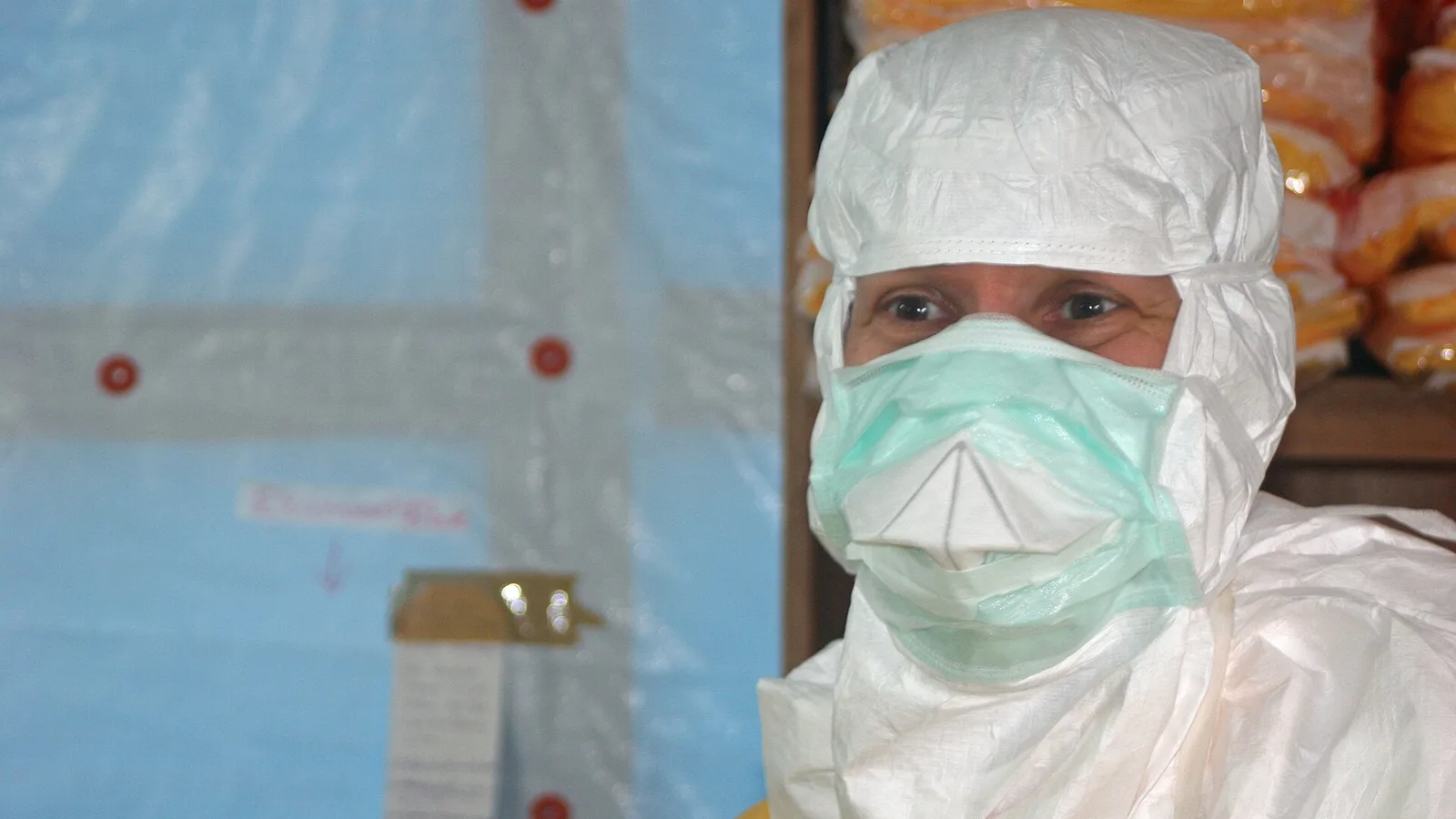
The departure of thousands of residents from an Ebola-affected camp in eastern Democratic Republic of Congo has created a new obstacle for health teams trying to trace people exposed to the virus.
UN and Congolese officials said on October 1 that residents fled Kigonze after soldiers entered the camp. Reuters reported that clashes followed a search for weapons. Two health officials said roughly 1,000 Ebola contacts had been living there; one said only about a fifth had subsequently been located.
The incident combined two emergencies: displacement caused by insecurity and an outbreak requiring reliable access to affected communities. Losing contact with exposed people makes the work of surveillance harder, even though exposure itself does not establish that a person is infected.
A World Health Organization assessment published before the evacuation report showed how extensive the wider emergency had become. As of September 23, Congo had recorded 7,890 confirmed cases and 3,799 deaths across seven provinces. Those figures are a dated national baseline, not an updated count of people affected by the camp incident.
WHO rated the risk inside Congo as very high and in neighboring countries as high, while assessing the wider global risk as low. It advised against travel and trade restrictions.
The agency instead emphasized early case recognition, testing, care and cooperation across borders. The immediate challenge at Kigonze was restoring the human connections that those measures depend on.
The biology of the disease explains the importance of sustained follow-up. WHO says symptoms may appear between two and 21 days after infection. Monitoring exposed people through that interval can allow illness to be recognized and care arranged quickly, before further chains of transmission develop.
People do not transmit the disease before symptoms begin, according to the agency. Infection occurs through direct contact with the blood or other body fluids of someone who is ill or has died, or with contaminated objects and surfaces. That makes it essential to distinguish someone who has had a possible exposure from someone with confirmed disease.
WHO's general outbreak guidance combines contact tracing with laboratory testing, clinical care, infection prevention and safe, dignified burials. It also stresses community participation and open discussion. Those requirements help explain the operational damage when residents disperse and trusted channels of communication break down.
For the families who left Kigonze, safety and public health are not competing abstractions. The response needs to make it possible for displaced people to reconnect with health teams without treating displacement itself as evidence of illness.