Beyond K-pop: British Museum traces two millennia of Korean art
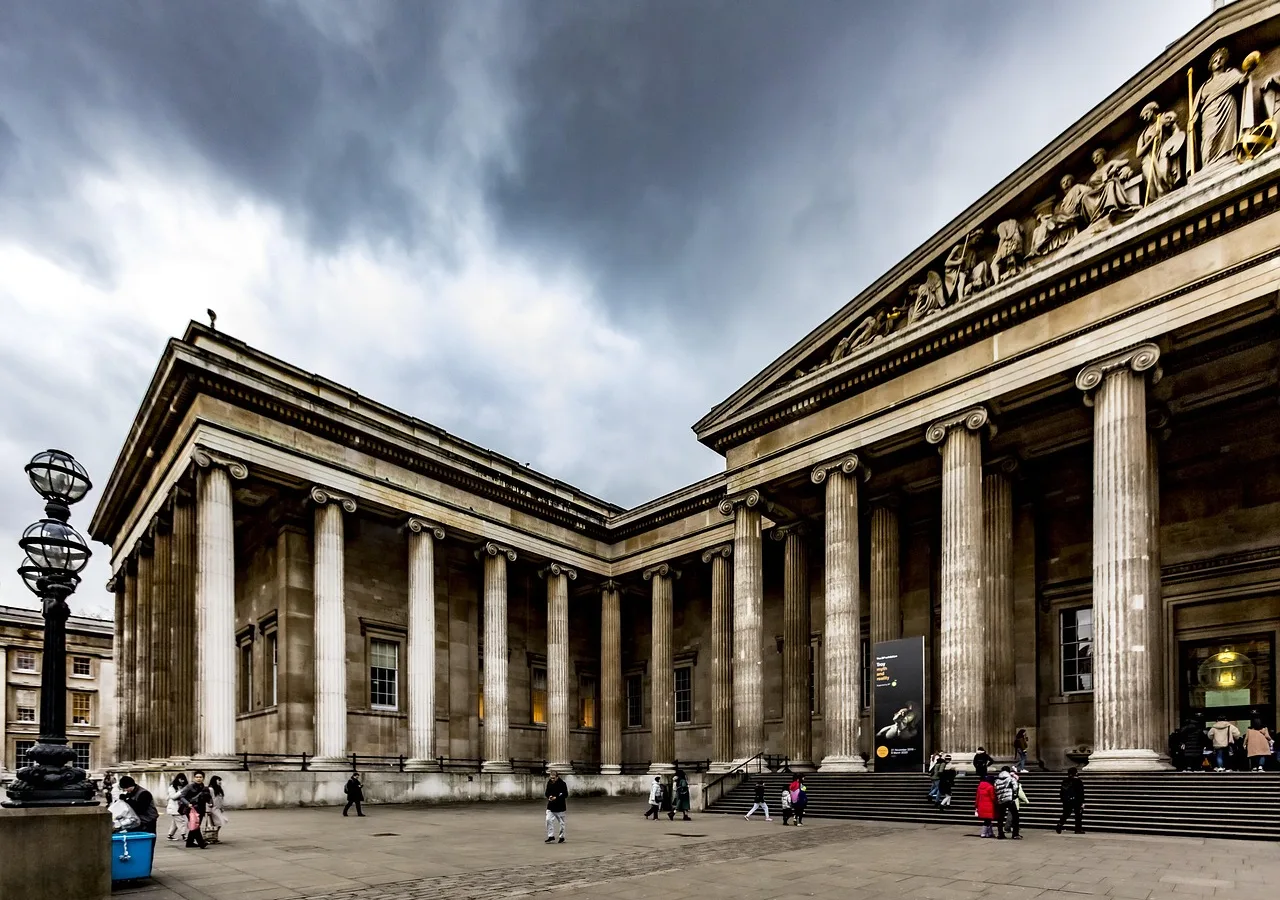
The exhibition draws on the Lee Kun-Hee collection and runs through January.
The British Museum has opened a sweeping exhibition of Korean art, using a collection assembled by a Samsung industrialist to connect a global audience's enthusiasm for contemporary Korean culture with a much longer history.
Korea opened October 1 and runs through January 31, 2027. It brings approximately 100 works to London from a bequest of more than 23,000 objects donated by the family of the late Samsung chairman Lee Kun-hee to South Korea's national museums. The bequest's size should not be mistaken for the number on display.
The exhibition was organized with the National Museum of Korea and the National Museum of Modern and Contemporary Art, Korea. Samsung, its corporate partner, hosted an opening gala the previous evening. Earlier versions of the touring project appeared in Washington and Chicago.
Curator Sang-ah Kim told Apollo that the London presentation was designed to give a broad historical view, while the American versions placed different emphasis on collecting and painting. She said audiences increasingly recognize Korean popular culture but may know less about the history behind it.
Among the works she highlighted were a sixth-century Buddhist sculpture, Jeong Seon's eighteenth-century depiction of a mountain in Seoul after rainfall, and work by the video-art pioneer Nam June Paik. The range extends from an object dating to 300 BC to a 2019 self-portrait by Do Ho Suh.
Kim described creativity, resilience and innovation as connecting themes. Her selection sought both objects familiar to Korean viewers and works that could explain the culture to visitors encountering it for the first time.
The ambition has also drawn criticism. In a three-star review, Time Out's India Lawrence praised the opportunity to see ceramics, silk paintings and other objects rarely encountered in Britain, but questioned whether the exhibition sufficiently explained Korea's modern political history. She argued that occupation, division and war received too little context.
That criticism identifies the central curatorial challenge: objects can reveal artistic skill and continuity, but a compact selection cannot carry the full weight of two millennia without choices about what to explain and what to leave out. The exhibition's connection to contemporary popular culture is similarly a proposition visitors can test rather than a conclusion the display automatically proves.
For London audiences, the occasion is nevertheless unusual. The museum's last major Korean exhibition was in 1984, although its permanent Korea gallery opened in 2000. This show brings historical and modern works into the same temporary space, inviting viewers to look beyond the films, music and consumer brands through which many first encounter the country.