Can the U.S. hold immigrants without bond hearings? The Supreme Court will decide.
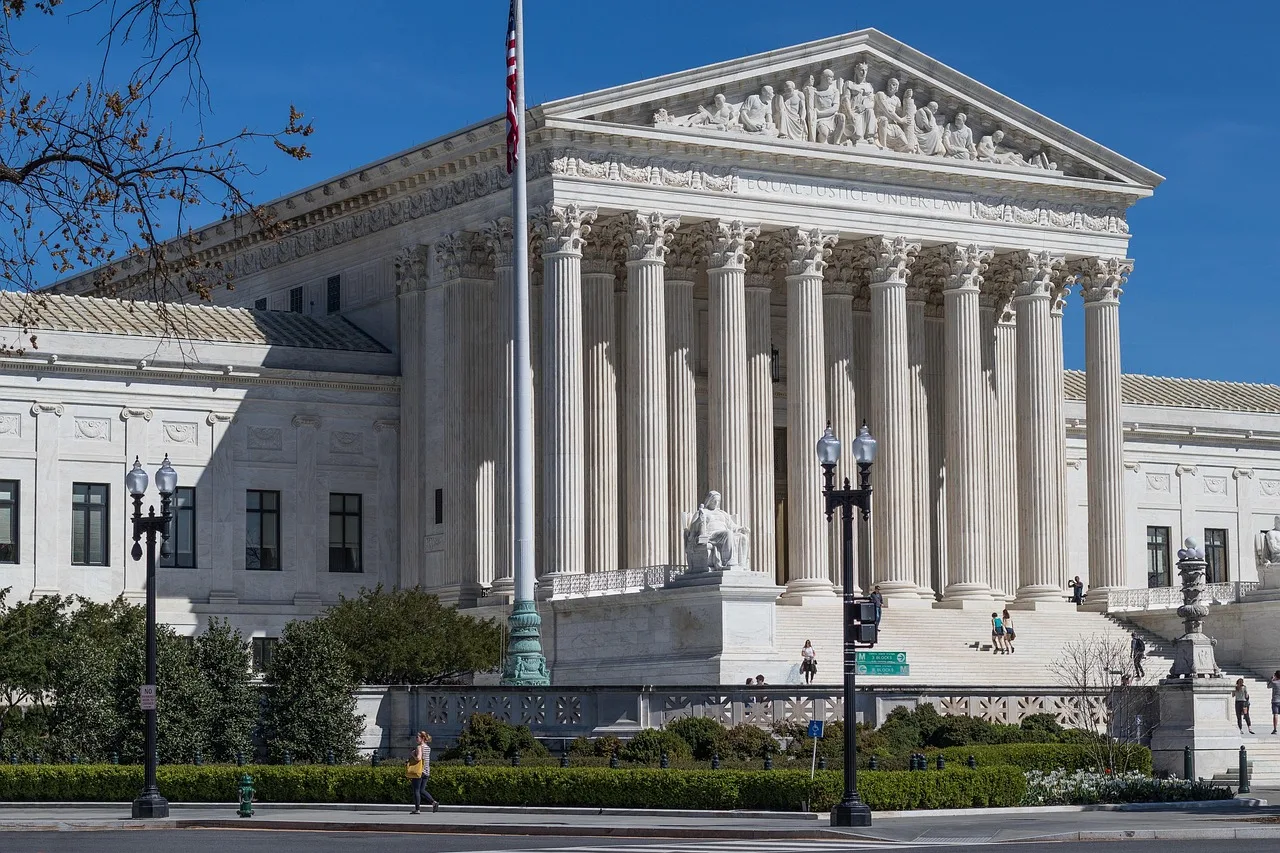
The case tests a detention policy that reaches people who have lived in the country for years—not only recent border arrivals.
The U.S. Supreme Court agreed on October 1 to review the Trump administration's policy denying bond hearings to many immigrants held during deportation proceedings, setting up a consequential dispute over the reach of federal detention powers.
The case, Rhoney v. Barbosa da Cunha, concerns whether immigration law requires detention without an opportunity to seek release for people who entered the United States without inspection. The administration adopted its interpretation in July 2025, extending mandatory detention to people already living in the country.
Reuters reported that removal proceedings can take months or years. The question before the justices therefore affects not simply the final decision on whether someone may remain in the United States, but where that person lives while the legal process runs.
A hearing is not a promise of release
A bond hearing gives a detainee an opportunity to argue for release before an immigration judge. It does not itself confer lawful immigration status or decide the deportation case. Those distinctions are central to a dispute sometimes described as a choice between enforcing immigration law and allowing people to stay.
The administration argues that federal law mandates detention for the affected group. Challengers say the government has applied the wrong statutory framework to people arrested in the country's interior, including long-term residents.
The individual at the center
Barbosa da Cunha's lawyer says his client has lived in the United States for 22 years, runs a small business, has a U.S.-citizen family and has no criminal history. Those details are the attorney's account, offered to illustrate why individualized review matters; they do not determine the Supreme Court's interpretation of the law.
The ACLU and New York Civil Liberties Union, which helped bring the challenge, say multiple appeals courts have rejected the administration's position. Their assessment is that the policy impermissibly removes access to bond hearings regardless of a person's ties to the community.
For the government, a mandatory rule offers a uniform approach to custody during removal. For challengers, the lack of an individualized hearing is precisely the defect: the policy can prevent consideration of circumstances that would otherwise support release.
Review, not a final ruling
The Supreme Court's agreement to hear the case is not an endorsement or rejection of the policy. It means the justices will consider the legal dispute during the court's term.
The eventual decision will determine which detention provision governs the affected group and whether immigration judges may consider requests for bond. It will not, by itself, decide the underlying immigration claims of everyone subject to that rule.