Dangote’s refinery push meets a familiar test: who benefits, and who moves?
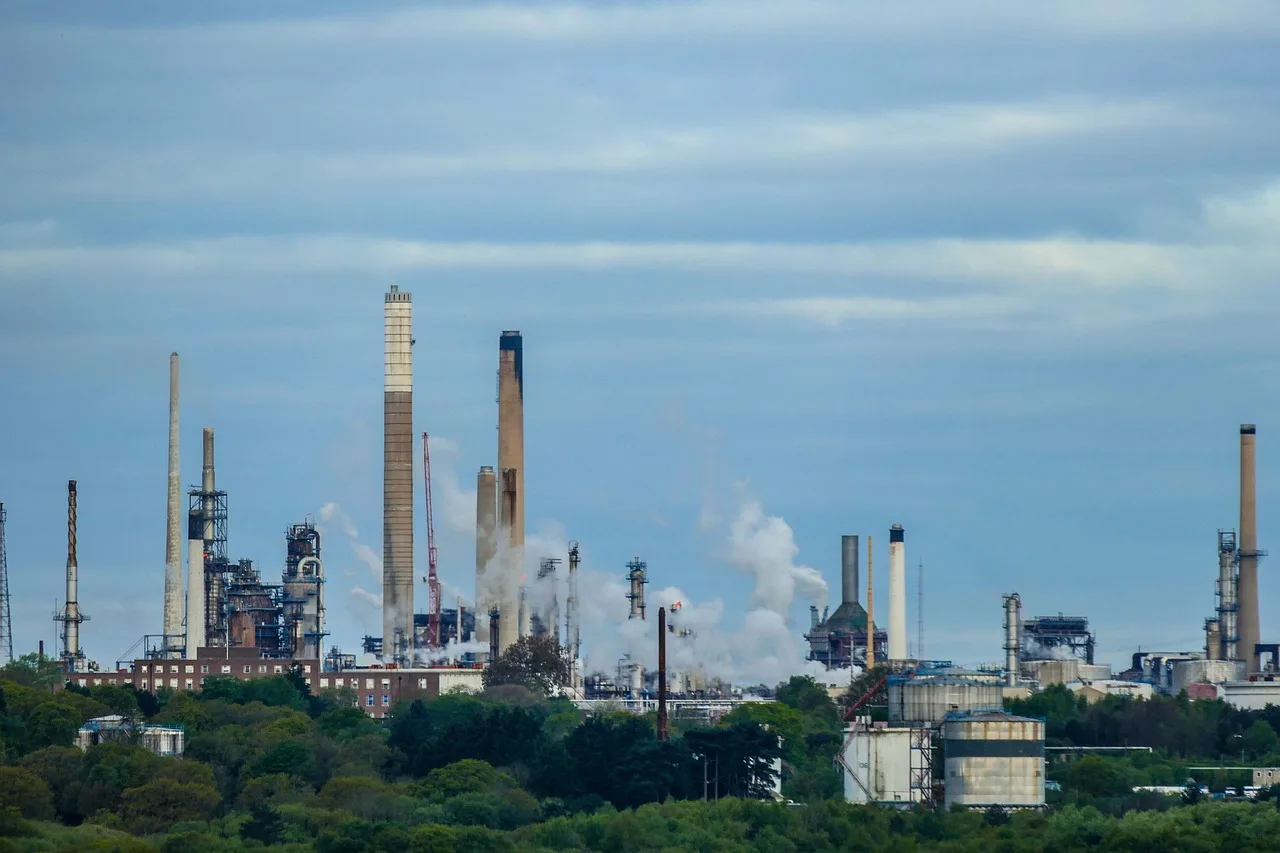
Investor demand in Nigeria and a Kenyan groundbreaking raise hopes for regional supply, while land claims remain unresolved.
Aliko Dangote’s expansion plans advanced on two fronts in the final week of September: a refinery share sale in Nigeria and the launch of a major construction project on Kenya’s coast.
On September 29, Dangote said demand for the Lagos refinery offering was strong, without providing subscription figures, Reuters reported. The sale sought $1.6 billion toward expanding the facility’s capacity.
The following day, Kenya held a groundbreaking ceremony for the planned East Africa refinery in Lamu. Its transport ministry said the project was designed to process 700,000 barrels a day and linked it to the port and wider regional transport corridor.
Dangote also outlined an engineering training school intended to help local residents enter the project’s workforce. These were planned benefits: a ceremony does not establish that a refinery is operating, that its capacity has been achieved or that projected jobs exist.
The investment also faced objections. Kenyan broadcaster Citizen reported protests and court petitions over land and compensation. President William Ruto promised that residents’ concerns would be handled fairly and lawfully, while Dangote said the company was prepared to contest legal challenges.
The project’s significance extends beyond one company. It tests whether large-scale African refining investment can strengthen regional supply and local industry while resolving land rights and delivering credible employment commitments. Financing, construction and those local obligations remain separate milestones to verify.
The land issue remained live after the ceremony. On October 3, Citizen reported that residents of Magogoni were asking the government for alternative settlement areas. Residents alleged that other claimants were misrepresenting ownership. Those assertions require resolution through the relevant land and legal processes; the report did not establish whose claims would prevail.
Scrutiny also reached national politics. Kenyan lawmaker Ndindi Nyoro demanded disclosure of the refinery agreement within 14 days, People Daily reported on October 3. He presented the demand as a call for transparency rather than opposition to investment. That position adds a distinct accountability question to the dispute over compensation: what public commitments have been made in the contract itself?
Those questions are especially important while the refinery remains a development project. Publicly measurable progress will mean more than promised capacity: financing that closes, construction that advances and a documented settlement of the claims affecting the site.