Florida’s dengue surge brings helicopters and emergency extensions to Tampa Bay
The county order runs throughOctober 8 while mosquito control continues.
Florida's dengue outbreak is increasingly a problem of local transmission, prompting Tampa Bay counties to extend emergency orders and call in additional mosquito-control crews.
Hillsborough County administrator Bonnie Wise signed an extension October 1 that keeps the local emergency in force through October 8. The county said the order supports efforts to control mosquitoes and protect residents.
The response is becoming regional. Lee County sent helicopters and personnel to assist Hillsborough with pesticide spraying, public radio station WUSF reported October 2. Its account described separate operations targeting mosquito larvae and adult insects.
Citing Florida's surveillance report for September 20–26, WUSF put Hillsborough's annual count at 223, an increase of 53 in the latest reporting period. Pinellas had thirteen cases and Pasco three. The statewide count of locally acquired infections stood at 252, all reported since July.
Those totals are a dated surveillance snapshot. They are not a count of people currently sick, and officials cautioned that infections are probably being missed.
The distinction between local and travel-associated illness explains the urgency. An infection acquired abroad does not, by itself, establish transmission in a Florida neighborhood. Locally acquired cases mean exposure is taking place within the state, requiring attention to the mosquitoes and breeding sites around residents.
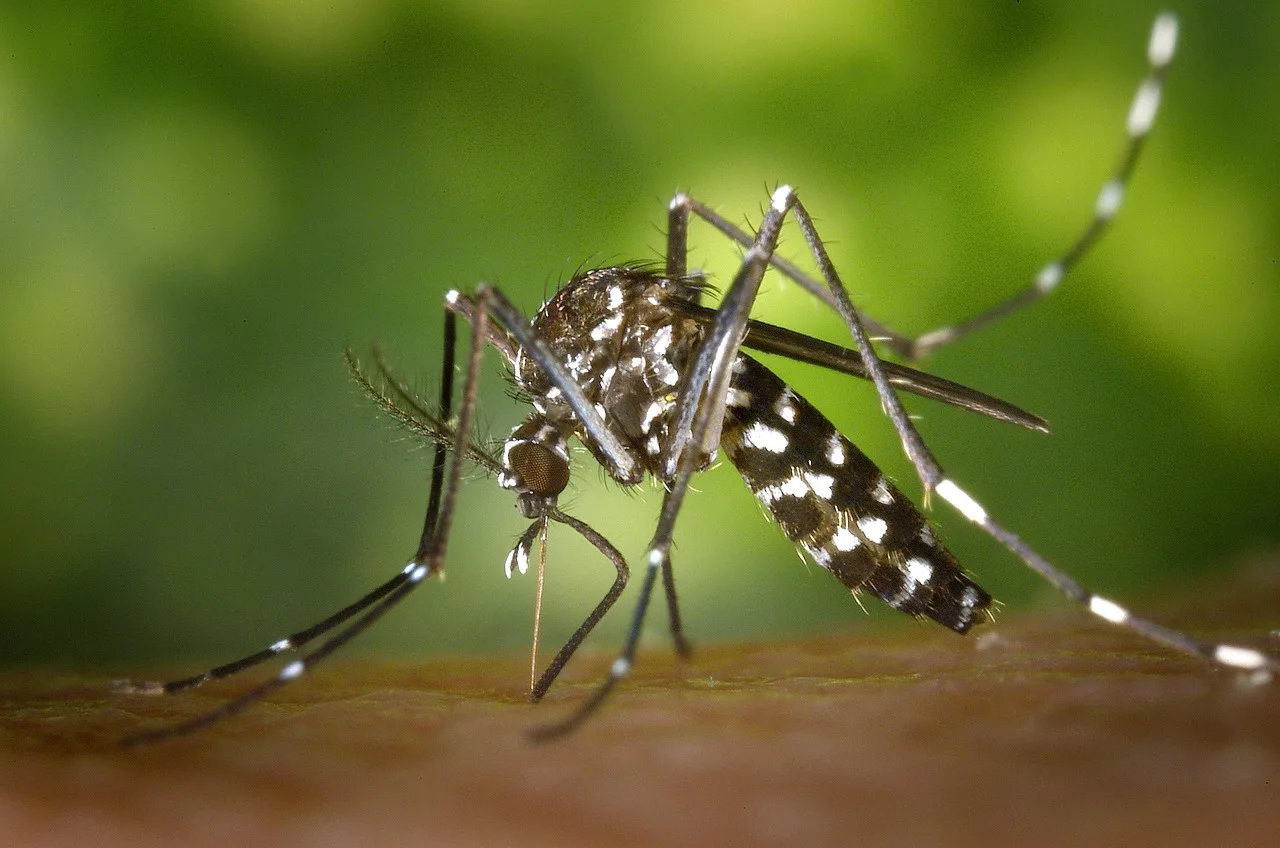
Dengue is caused by four related viruses and is transmitted mainly through infected Aedes mosquitoes, according to the Centers for Disease Control and Prevention. Infection with one type does not prevent a person from contracting dengue again during their lifetime.
Symptoms commonly include fever, aches, nausea or a rash. They usually begin within two weeks of an infected mosquito bite. The CDC advises people who develop symptoms to contact a health professional and describe any recent travel. This is especially relevant when clinicians might otherwise consider dengue only in returning travelers.
The agency says avoiding mosquito bites is the central prevention measure. It does not recommend treating the availability of a dengue vaccine as general protection for all travelers or residents; the US recommendation applies to a defined group of children with prior laboratory-confirmed infection in places where dengue is common.
An emergency order is an administrative response, not evidence that the outbreak has been contained. The questions now are whether new locally acquired infections begin to decline, whether case finding improves and whether mosquito-control work reaches affected neighborhoods.
For residents, the geographic detail matters more than a statewide headline alone. Risk is not necessarily uniform across Florida. For officials, the reporting challenge is to explain both where transmission has been detected and what remains uncertain, without allowing a temporary order or a week of spraying to substitute for measured results.