G7 agrees to release 100 million barrels as the diesel crunch deepens
The emergency release, made under US pressure, front-loads diesel over the next 20 days. Brent crude stayed above $100.
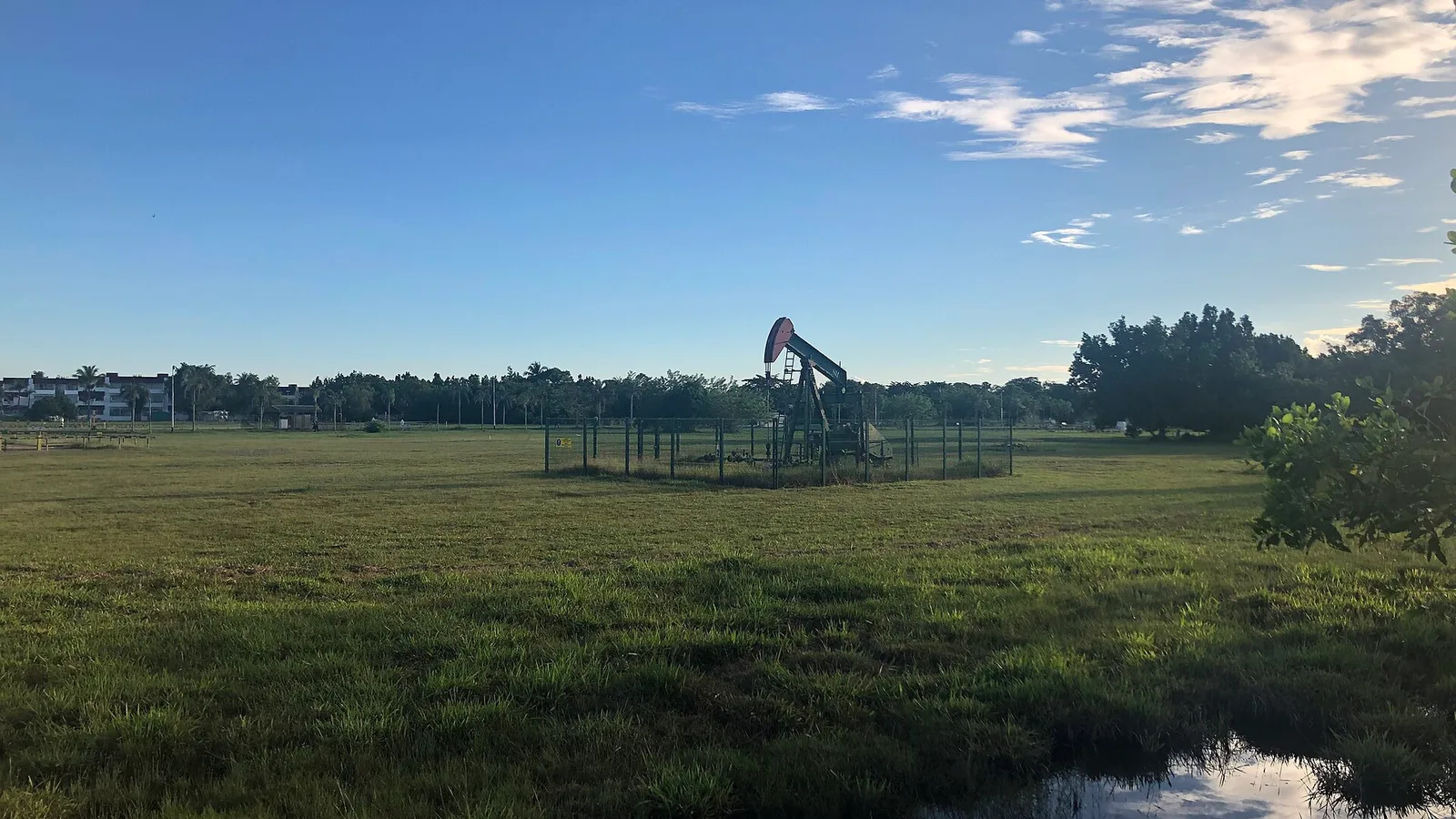
The Group of Seven agreed Friday to release up to 100 million barrels of emergency oil and diesel stocks over four months, after pressure from Washington.
The Group of Seven agreed on Friday to release up to 100 million barrels of emergency oil and diesel stocks over the next four months, after the United States pressed Europe to act on soaring fuel prices.
The release, coordinated through the International Energy Agency, works out to about 830,000 barrels a day. It includes "a frontloaded substantial diesel release within the first 20 days," Al Jazeera reported.
The move is aimed at diesel, the fuel that keeps trucks, farms and factories running, and whose price has surged as the war with Iran restricts shipping through the Strait of Hormuz.
"We will implement our commitments with a coordinated release through the IEA of 100 million barrels to begin immediately over four months," French President Emmanuel Macron, who chairs the G7 this year, said.
The deal followed threats from President Donald Trump to ban US diesel exports if Europe did not release its own stocks. An overnight call between Macron and Trump appears to have pushed Paris to act, according to Al Jazeera and Euronews. Trump said on Truth Social that Europe had "just agreed to release a massive amount of their heavily stocked Diesel Oil."
Diesel prices eased. The average US price was $6.37 a gallon on Friday, below the record of $6.52 set on September 22. The premium of diesel over crude fell to as little as $69 a barrel, from almost $77 on Thursday, according to Bloomberg data.
Crude was mixed. US benchmark West Texas Intermediate fell 1.9% to settle at $91.11 a barrel on Friday, while global benchmark Brent ended almost unchanged at $102.25. Brent had jumped more than $4 on Thursday after China suspended fuel exports.
Supply has been tight since the war with Iran began on February 28, with Tehran restricting traffic through the strait and Ukraine striking Russian refineries.
The new release comes on top of an earlier one. About 325 million barrels of the 400 million pledged by IEA members in March have been released so far, the agency said. Some countries have been slow: Germany had released only 23% of its pledge and Spain about a third, Bloomberg reported.
It is not yet clear how the 100 million barrels will be split between crude and diesel.
Attention now turns to OPEC+. Seven of the group's core producers, including Saudi Arabia and Russia, were meeting on Sunday and were expected to leave November output targets unchanged, Reuters reported. Those producers pumped about 5 million barrels a day less in August than before the war.