Hawaii’s Hōlei Sea Arch has fallen. The danger along the cliffs remains
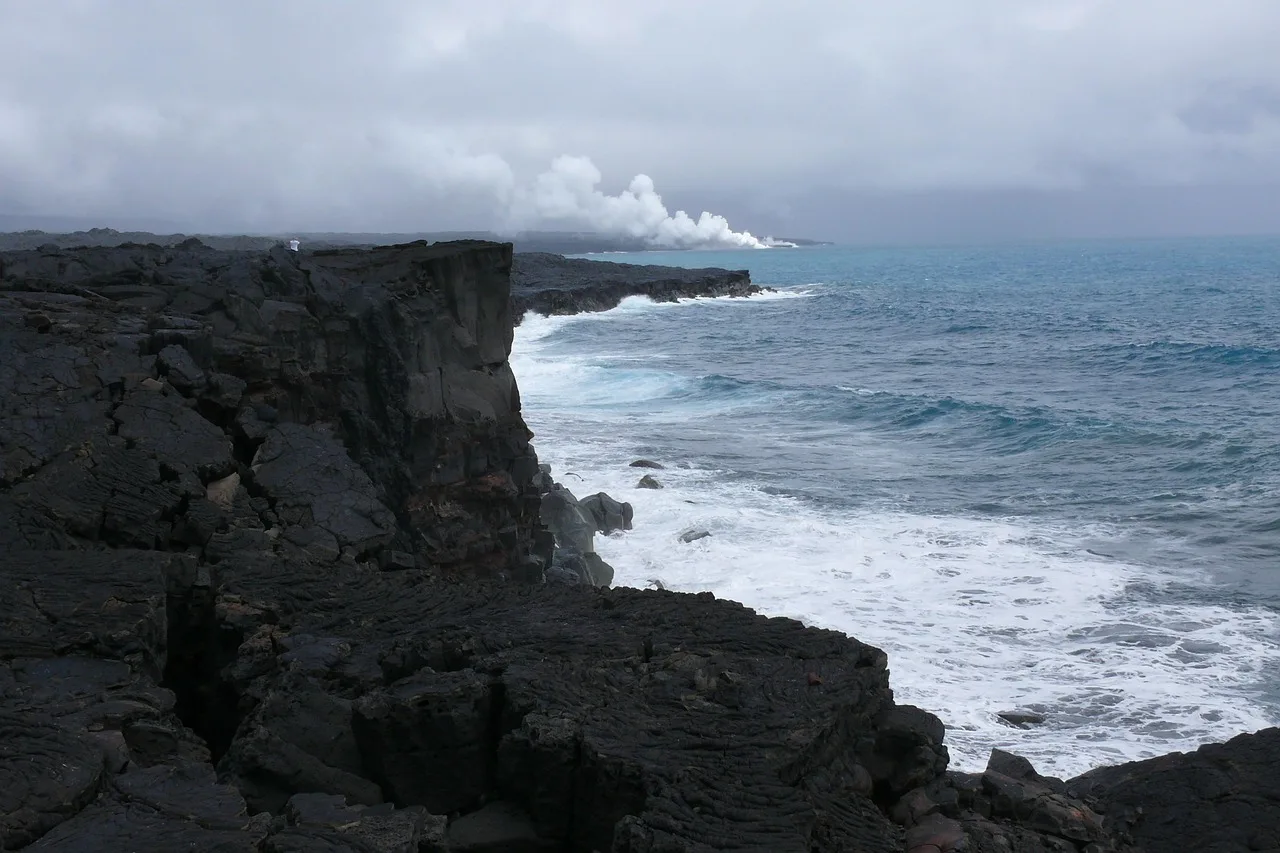
Park officials warn visitors to keep clear of closed coastal areas.
Hōlei Sea Arch, a ninety-foot landmark on Hawaii's volcanic coast, has collapsed into the Pacific, ending one of the best-known views at Hawaiʻi Volcanoes National Park and renewing warnings about unstable cliffs.
The National Park Service announced the collapse October 1. It said the arch was still standing September 23 but was gone by the night of September 27. The exact time is unknown; officials said it could have happened while the park was temporarily closed during Tropical Storm Nolo.
That uncertainty matters. The announcement does not establish that the storm caused the final collapse, even though rough weather forms part of the recent chronology.
The surrounding coast had shown instability for years. Earthquakes during Kīlauea's 2018 eruption and summit collapse damaged nearby cliffs. New cracks prompted closure of the original viewing area in January 2020, followed by a replacement farther from the edge that March.
Officials said photographs showed people entering the closed area after the collapse, exposing themselves and potential rescuers to falls and drowning along the wave-swept coast.
The formation's disappearance is dramatic, but its impermanence was part of the park's explanation long before this week's announcement. An older visitor page described the arch as cut into a lava flow about 550 years old and explicitly warned that it would eventually crumble.
That age is more precise when attached to the lava flow than to a claim that the arch's exact shape had survived unchanged for 550 years. The rock and the opening carved through it are not the same geological milestone.
The park's account of sea-arch formation explains the process. Lava creates new coastal rock, which wind and water begin to wear away. Waves carve caves into sea cliffs and then erode the remaining headland until an opening forms. The same forces continue after the arch appears, eventually removing its bridge.
Sea arches are therefore temporary stages in a coastline's evolution, not permanent structures. Their apparent solidity in photographs can obscure the long process that makes a collapse possible.
The old visitor description placed the observation area near the end of Chain of Craters Road. It remains useful as historical context, but it is not current permission to approach the former arch or cross closures. The October announcement supersedes any itinerary written while the landmark was still standing.
For visitors, the practical message is to respect the designated boundaries even when the visible attraction has disappeared. For the park, the task is now to explain a changed landscape without encouraging people to seek a closer view from the unstable edge.
What fell was a landmark. What remains is an active coastline, where the loss of a familiar feature does not mean the forces that shaped it have stopped.