ICE courthouse-arrest policy falls in federal ruling
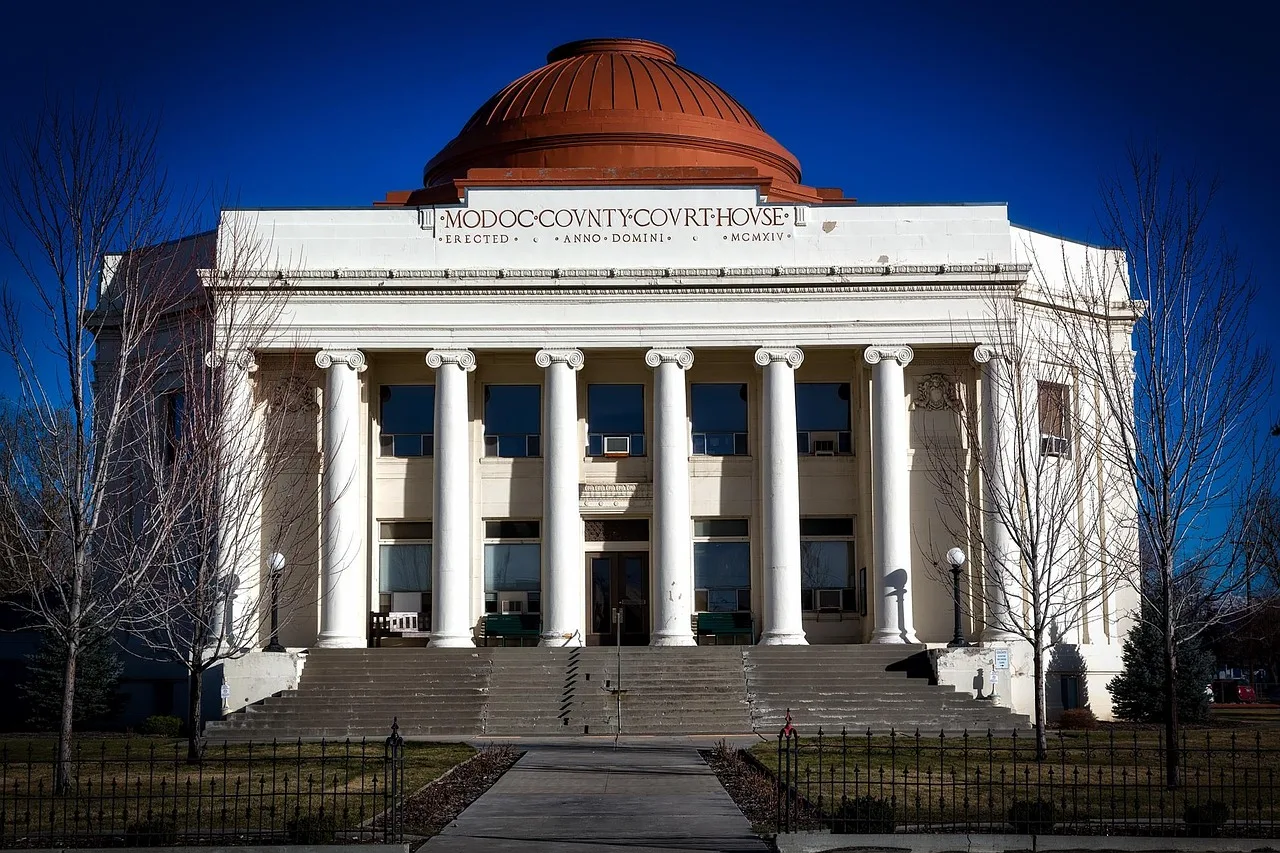
The decision restores earlier limits around immigration courts while leaving narrow exceptions in place.
A federal court has struck down the government's expanded policy for civil immigration arrests around immigration courthouses, restoring restrictions on enforcement at places where people are required to appear for legal proceedings.
The opinion was issued September 30 in African Communities Together and The Door v. Lyons. The ACLU and its partners announced the ruling October 1 and said it applied nationwide and took effect immediately.
The court found the challenged policy arbitrary and capricious under the Administrative Procedure Act, according to the plaintiffs' account and reporting on the order. The decision concerns whether the government lawfully explained and adopted its changed approach, rather than providing a general exemption from immigration enforcement.
Earlier protections restored
The order restores a pre-existing policy limiting civil immigration enforcement in or near immigration courts, subject to exceptions. Immigration Analytics reported that Judge P. Kevin Castel vacated the 2025 policy insofar as it rescinded the April 27, 2021 policy for those locations.
That qualification matters: a headline saying ICE can never make an arrest at any courthouse would go further than the reported ruling. The particular circumstances permitted by the restored policy remain part of its operation.
The lawsuit also challenged a separate policy encouraging immigration judges to dismiss proceedings without the protections sought by the plaintiffs. That claim was dismissed as moot after the government permanently withdrew the policy, according to the ACLU.
The practical dispute
The organizations argued that courthouse arrests can deter people from attending hearings they are legally required to attend. Missing a hearing and attending one under the risk of detention have different consequences, placing court access at the center of the challenge.
The government remains responsible for immigration enforcement, but the ruling limits the policy it can use in this setting. Whether the administration seeks appellate relief, and how the restored exceptions are implemented, will determine the operational consequences beyond the immediate order.