India’s voter-roll dispute moves into the streets as police detain protesters
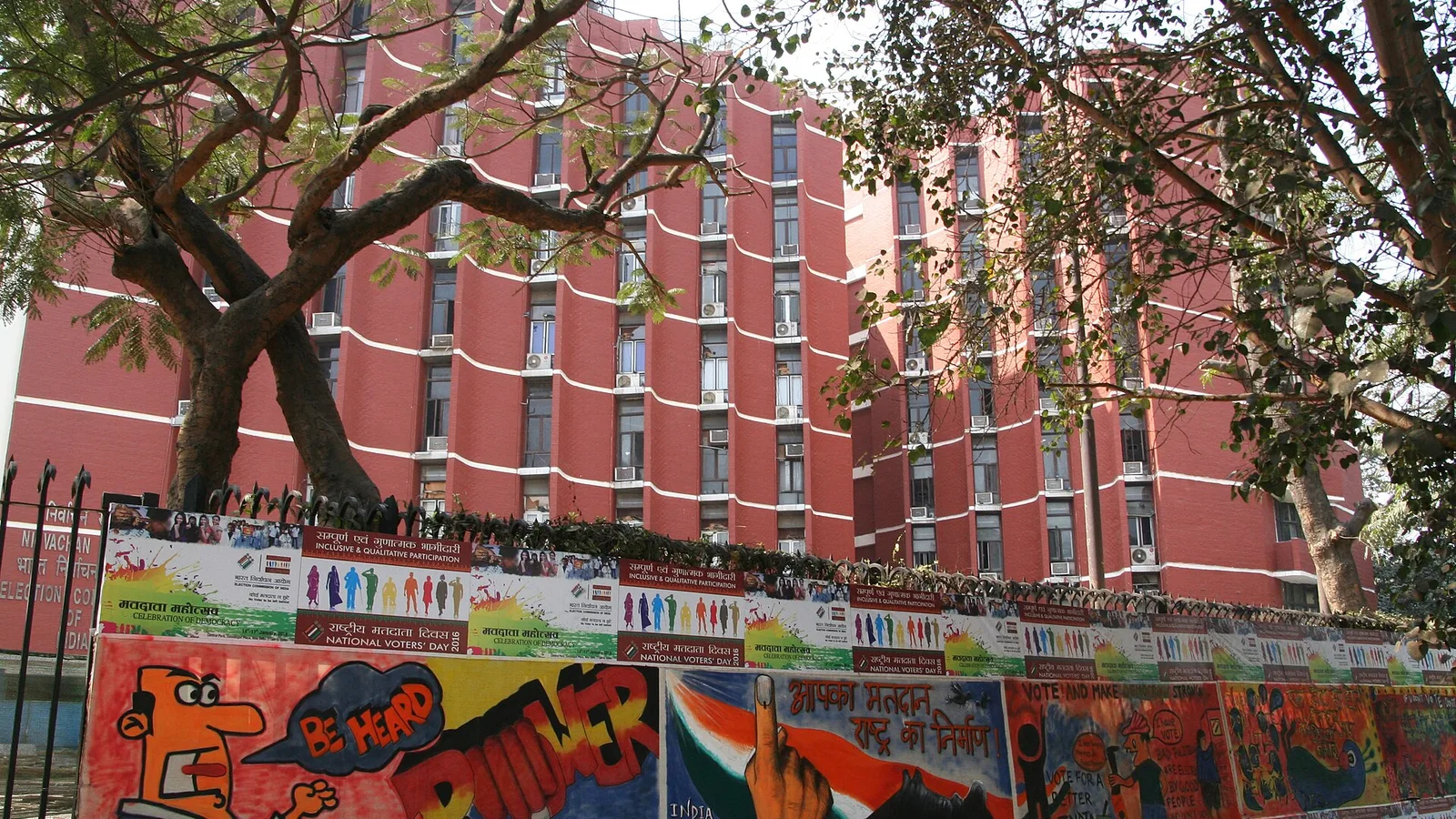
Demonstrations challenge the election commission’s revision process, while officials begin a new effort to restore eligible voters left off lists.
Indian police detained protesters in New Delhi on October 3 as anger over changes to electoral rolls brought a dispute about voting eligibility into a second day of street demonstrations.
Reuters reported that about 100 demonstrators removed barricades before some were detained. Protesters demanded the resignation of Chief Election Commissioner Gyanesh Kumar. The police had not released a full list of those detained, the agency said.
The protests concern the Special Intensive Revision, an exercise intended to verify electoral rolls. Opposition parties allege that legitimate voters have been excluded and that the process benefits Prime Minister Narendra Modi’s Bharatiya Janata Party. The election commission and the BJP have denied political manipulation.
The issue is consequential in a country with roughly a billion eligible voters. A name missing from an electoral register can affect whether someone casts a ballot, while inaccurate or duplicate entries can undermine confidence in the register itself. The dispute concerns both the integrity of the lists and the fairness of the process used to correct them.
Police restrictions and competing accounts
The Indian Express reported that Delhi police registered three cases following attempts to demonstrate at Jantar Mantar on October 2. Permission for that demonstration had been denied and restrictions were imposed in the New Delhi district.
The newspaper reported 550 detentions in Delhi on that first day. That figure should not be read as the number detained during the separate October 3 confrontation. Police deployed additional personnel and barricades, and access to several Metro stations was temporarily restricted.
The reported offenses concerned disobeying official orders, obstructing public servants and related conduct. Registration of those cases does not establish the truth of the protesters’ electoral allegations, nor does it amount to a conviction of the people involved.
A further review of missing voters
The commission has also directed officials to identify eligible people left out of completed revisions. In Uttarakhand, the Indian Express described instructions for local officers to compare the earlier and current rolls, visit affected residents and facilitate enrollment when eligibility is established.
The newspaper reported that the wider direction covered 20 states and union territories. Uttarakhand officials were preparing to explain the process to recognized political parties following commission directions issued September 29 and October 1.
That additional exercise matters because publication of a final list does not necessarily end all opportunities for an eligible voter to seek inclusion. But it also leaves a practical test for election officials: whether the people omitted can be identified, reached and restored in time. The protests show that procedural assurances alone have not settled the argument over trust in the commission.