Israel receives its largest submarine, with months of integration still ahead
Reports published September 27 describe a larger submarine built for longer deployments, following its arrival from Germany.
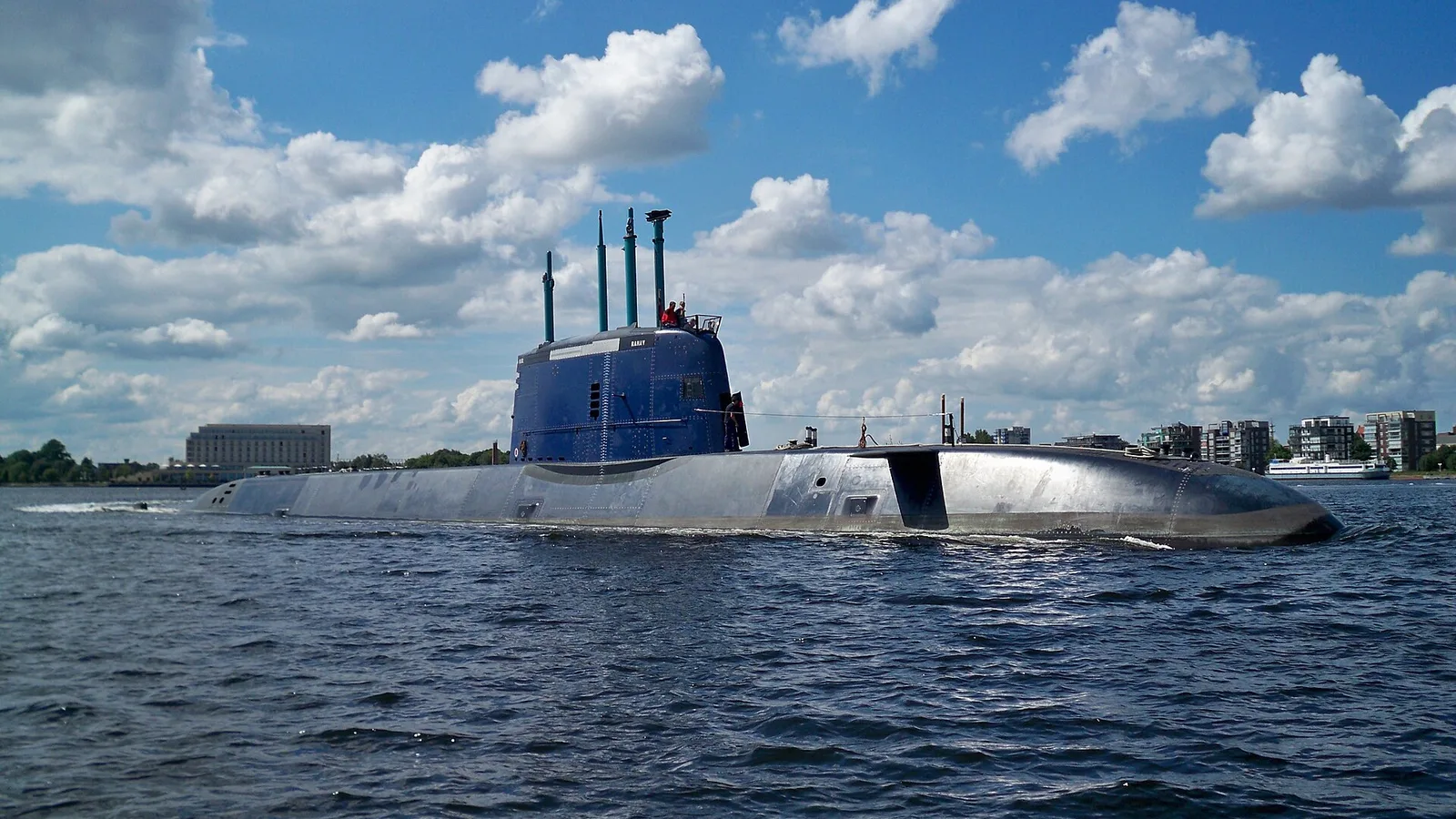
Israel has received its largest submarine yet, a German-built vessel intended to stay at sea longer and give the navy more options for missions far from its coastline. Its arrival, however, is the beginning of integration rather than proof that all its new capabilities are already operational.
INS Drakon reached waters near Haifa on September 24. Reports published September 27 followed journalists' visits aboard the vessel and interviews with naval officers about what its size and endurance could mean for the fleet.
The Jerusalem Post's Yonah Jeremy Bob reported that the commander linked the submarine's greater length to expanded capacity for weapons, electrical equipment and oxygen systems. Rear Admiral Guy Levy said longer deployments could support operations in areas as distant as Iran and Yemen.
Those remarks set out military ambitions. They do not establish that Drakon has conducted a mission in either country, nor do they disclose the weapons it would use. The distinction matters when a new platform's arrival is presented as an immediate shift in the regional balance.
The Times of Israel's Emanuel Fabian, who also boarded the submarine, reported that it is 74 meters long and weighs 2,600 tons. It completed a 23-day journey from Germany after years of planning, construction and testing. The military describes it as the final vessel in the Dolphin family.
Fabian reported that the submarine has air-independent propulsion, which allows longer periods underwater before surfacing becomes necessary. The navy regards many of its other technologies and operational details as secret. Public assessments of its effectiveness therefore rely heavily on what the service chooses to disclose.
The installation of Israeli systems was expected to take two to three months, with operational declaration coming later, according to the military account reported by the Times of Israel. That timetable is more cautious than simply treating delivery as entry into combat service.
The international dimension is both industrial and strategic. A vessel built in Germany must be fitted into Israel's own naval systems and operating practices. Senior officers' references to Iran and Yemen show that endurance is being discussed in relation to distant theaters, rather than only patrols close to home.
Yet more time at sea is not the same as an unlimited ability to operate. The publicly available reports do not disclose the submarine's actual patrol endurance, the restrictions on specific missions or a verified performance comparison with opposing forces. They support the narrower finding that the navy has acquired a larger platform designed to broaden its options.
The next meaningful milestone is completion of integration and operational qualification. Until then, Drakon represents an investment in future capacity, with the most consequential details of its eventual employment remaining outside public view.