Israel targets senior Hamas leader in Gaza as reports of civilian deaths emerge
The military said the result of its attempt to kill Ali al-Amoudi remained under review; Reuters could not establish whether it was the strike that killed five civilians.
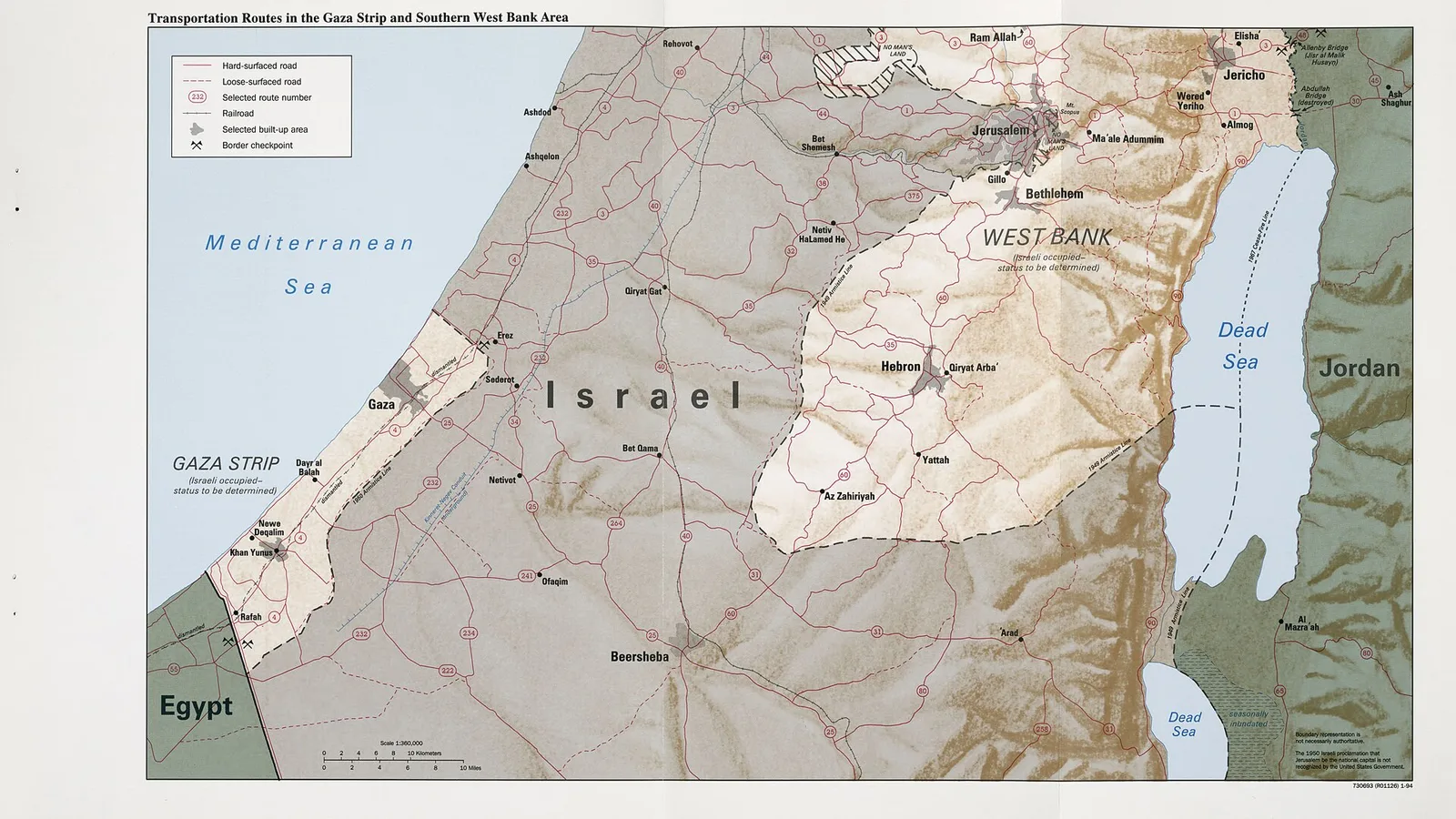
Israel said it targeted senior Hamas figure Ali al-Amoudi in Gaza City overnight into October 3 but did not confirm his death, as Palestinian medical and rescue officials reported five people killed in an apartment-building strike.
The accounts leave two questions unresolved: whether the intended target was hit, and how completely the military and civilian reports describe the same event. Neither uncertainty should be obscured by treating a target announcement as confirmation of a killing.
In a joint statement, the Israeli military and Shin Bet said Amoudi was attacked in an apartment they alleged was being used for militant activity inside a residential building. They described him as a senior political leader in Gaza and a former close aide to Yahya Sinwar. The operation's result was still being examined, they said.
The statement also accused him of involvement in attacks and efforts to rebuild Hamas's capabilities. It did not make the underlying intelligence public. Those allegations remain the security agencies' account of the basis for the strike.
Separately, Reuters reported that Gaza health and civil-defense officials said five people, including four women, were killed in an Israeli attack on an apartment building. The agency said it was not immediately clear whether this was the same operation that Israel described.
The Times of Israel's subsequent account linked the overnight targeting of Amoudi to a building in western Gaza City and reported five fatalities in Palestinian media. It said Amoudi was not among the named dead, although searches for missing people were reportedly continuing. The report did not establish that he had survived.
RTÉ reported that Al-Shifa hospital received five bodies and wounded people after a strike in the Rimal neighborhood. It attributed the account to the hospital and the civil-defense agency, which operates under Hamas authority. Neither a hospital casualty report nor an intended-target announcement independently resolves who was present in the apartment when it was struck.
Israel said it used precision weapons and measures intended to reduce civilian harm. That describes its stated planning, not the actual outcome for residents. Conversely, the reported deaths do not by themselves establish which individuals the military believed it was targeting or the intelligence available before the attack.
For people living in the building and for those following the conflict abroad, the immediate issue is the human cost and a reliable account of what happened. A confirmed casualty list, identification of the struck location and a final assessment of the target's fate would help reconcile the different reports.
As of October 3, the military had announced an attempt on a senior Hamas figure. It had not established publicly that the attempt succeeded. The civilian deaths remain a central part of the story, not evidence that can be replaced by a claim of precision.