Justice Department’s election roundup spans guilty pleas and disputed charges
The 12-person announcement includes an earlier Utah ballot-delivery case. It is not a report of 12 new convictions.
The Justice Department highlighted election-related cases involving 12 people on September 28, combining guilty pleas with still-unproved allegations about voting, citizenship statements and the handling of mail ballots.
The announcement covered cases in several federal districts. It included guilty pleas by defendants in Florida and Hawaii, as well as charges that had not resulted in a finding of guilt. That mix makes the procedural status of each case essential to understanding the total.
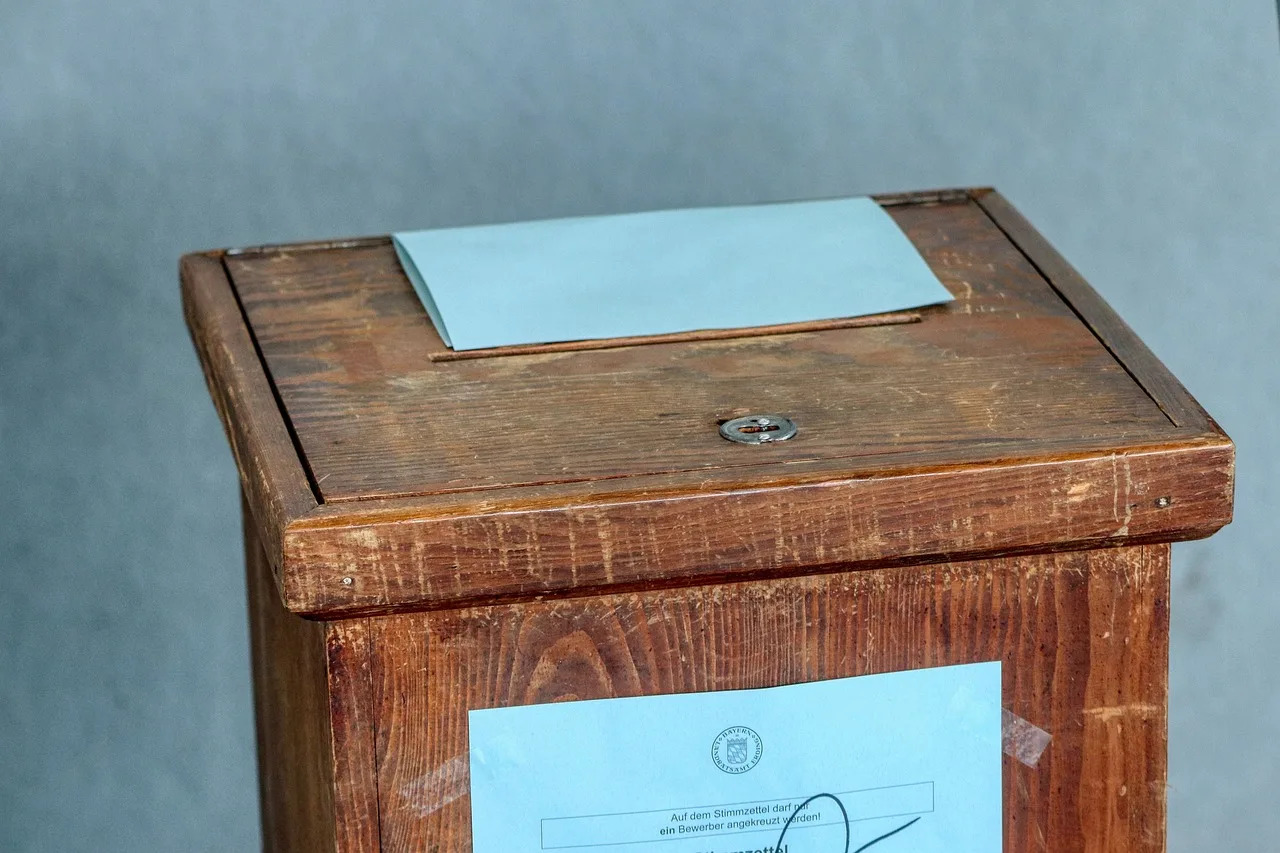
Among the allegations was a Utah case involving a former postal carrier accused of throwing away approximately 300 mail-in ballots intended for registered voters. That prosecution was announced separately on September 22; its inclusion in the later roundup does not make it a newly discovered September 28 incident.
The Utah timeline
Utah Public Radio reported that the alleged disposal occurred June 3, before the state's June 23 primary. The ballots were being mailed to voters, rather than being returned after voters had marked them.
AP reported that the 34-year-old defendant, Damon Matai Seei, pleaded not guilty to a felony charge involving destruction or delay of mail. Prosecutors allege that he discarded ballots and other mail in a church parking-lot dumpster while working a delivery route in Eagle Mountain.
That account describes a serious allegation about ballot delivery. It does not establish that 300 completed votes were destroyed, how affected residents ultimately voted or whether the result of a contest changed.
Different conduct, different legal outcomes
The broader Justice Department release also describes alleged false citizenship claims made during registration, alleged unlawful voting and false statements associated with citizenship applications. Those categories should not be collapsed into a single count of fraudulent ballots.
For defendants who have pleaded guilty, the plea is a documented legal development. For those facing charges, prosecutors still have to prove their allegations, and the presumption of innocence remains.
The roundup offers a list of enforcement actions, not a statistical estimate of nationwide election fraud. Following the individual court cases is necessary to determine which allegations are proved, dismissed or otherwise resolved.