Korean mine dispute tests fragile border rules as Pyongyang denies responsibility
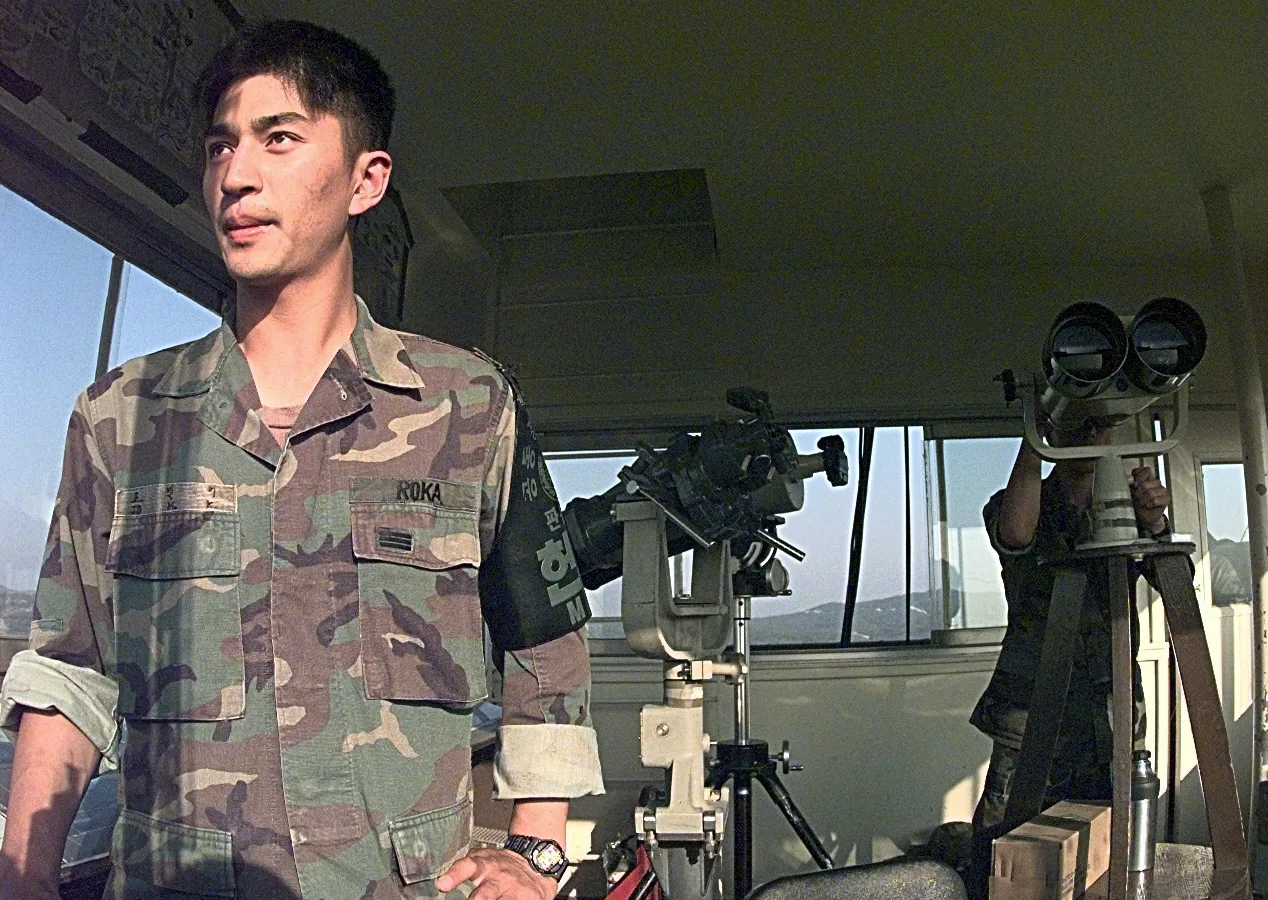
A September investigation found an armistice breach after three soldiers were injured. The two Koreas remain sharply divided over blame.
A dispute over land mines that injured three South Korean soldiers escalated September 30 as North Korea rejected Seoul’s account and the United Nations Command said an armistice violation had occurred.
The explosions took place September 21 near the Military Demarcation Line in the western Demilitarized Zone. South Korean officials attributed them to North Korean mines after a joint inspection with the US-led command. Pyongyang denied responsibility and accused Seoul of fabricating evidence.
Reuters reported that investigators also identified another active North Korean anti-personnel mine south of the demarcation line. The command said it would address the violation through the mechanisms established under the armistice.
The competing claims
Kim Yo Jong, the sister of North Korean leader Kim Jong Un, threatened retaliation if South Korean forces fired on troops conducting border work, according to the Associated Press. She denied that those troops had crossed the boundary.
South Korea demanded an apology and measures to prevent another incident. Its defense minister linked possible further action to the outcome of a complete investigation, the AP reported.
The precise attribution in the command’s statement matters. El País reported that it established a breach but did not expressly identify the responsible side or conclusively determine the origin of both mines that exploded. That narrower account should not be collapsed into Seoul’s more specific accusation about responsibility.
Rules built to prevent renewed fighting
The command’s own historical account explains that the July 1953 armistice halted the Korean War’s fighting and placed the Military Demarcation Line along the final line of contact. It created a buffer separating the opposing forces rather than a permanent political settlement.
A separate command fact sheet published earlier in 2026 said North Korean fencing and road repairs did not automatically violate the agreement if they remained north of the line and did not introduce prohibited heavy weapons. The location and nature of military activity therefore matter when assessing a breach; not every construction project and explosive incident has the same legal or operational significance.
Pressure on Seoul’s diplomacy
The incident also put pressure on President Lee Jae Myung’s effort to restore dialogue. Le Monde reported October 3 that conservative opponents challenged his restrained response and questioned the investigation’s timing. It also reported continuing uncertainty about precisely how the mines reached the blast area.
That uncertainty does not diminish the injuries or the danger at the boundary. It explains why the political claims, physical findings and formal armistice determination need to be distinguished. With military communication channels between the Koreas not operating, according to the AP, a warning shot or misread movement carries additional risk while the dispute remains unresolved.