Pennsylvania nears 1,000 measles cases as the outbreak exposes a growing protection gap
The state’s October 2 update confirms cases in 39 counties.
Pennsylvania's measles outbreak has reached 977 confirmed cases across thirty-nine counties, extending a resurgence that has already brought fatal infections and placed renewed pressure on health services.
The state Department of Health released the figure October 2. Two days earlier, it had reported a fifth measles-associated death, involving an unvaccinated Lancaster County resident who tested positive for the disease. The statewide case count then stood at 943.
The increase of thirty-four cases between those updates describes newly added reports, not necessarily thirty-four infections acquired during those two days. Diagnosis and reporting can occur after exposure, so the figures should not be treated as a real-time transmission curve.
The state's terminology also deserves precision. It classifies deaths using its measles-associated death definition. A state total should be attributed to that system rather than presented as interchangeable with a federal tally using a different method or reporting schedule.
Measles is exceptionally contagious. The Centers for Disease Control and Prevention says up to nine in ten unprotected people who have close contact with an infected person can become infected. The virus can remain in the air for up to two hours after the person has left a room.
That makes the response a challenge for households, schools and clinical settings, not just the patient who develops a rash. Symptoms generally appear one to two weeks after exposure, and serious complications can include pneumonia and inflammation of the brain.
The CDC identifies young children, pregnant women, people with weakened immune systems and adults over twenty among groups at greater risk of severe complications. It estimates two doses of MMR vaccine are about 97% effective at preventing measles, compared with approximately 93% for one dose.
Vaccination recommendations depend on age, medical history and exposure. The CDC's routine childhood schedule places the first dose at twelve to fifteen months and the second at four to six years. It provides separate advice for international travel and outbreaks, including situations in which an earlier dose may be appropriate.
People with pregnancy, immune-system conditions or certain allergies should discuss eligibility with a clinician. The vaccine is a prevention tool; a growing case tally is not a basis for readers to devise their own treatment or dosing schedule.
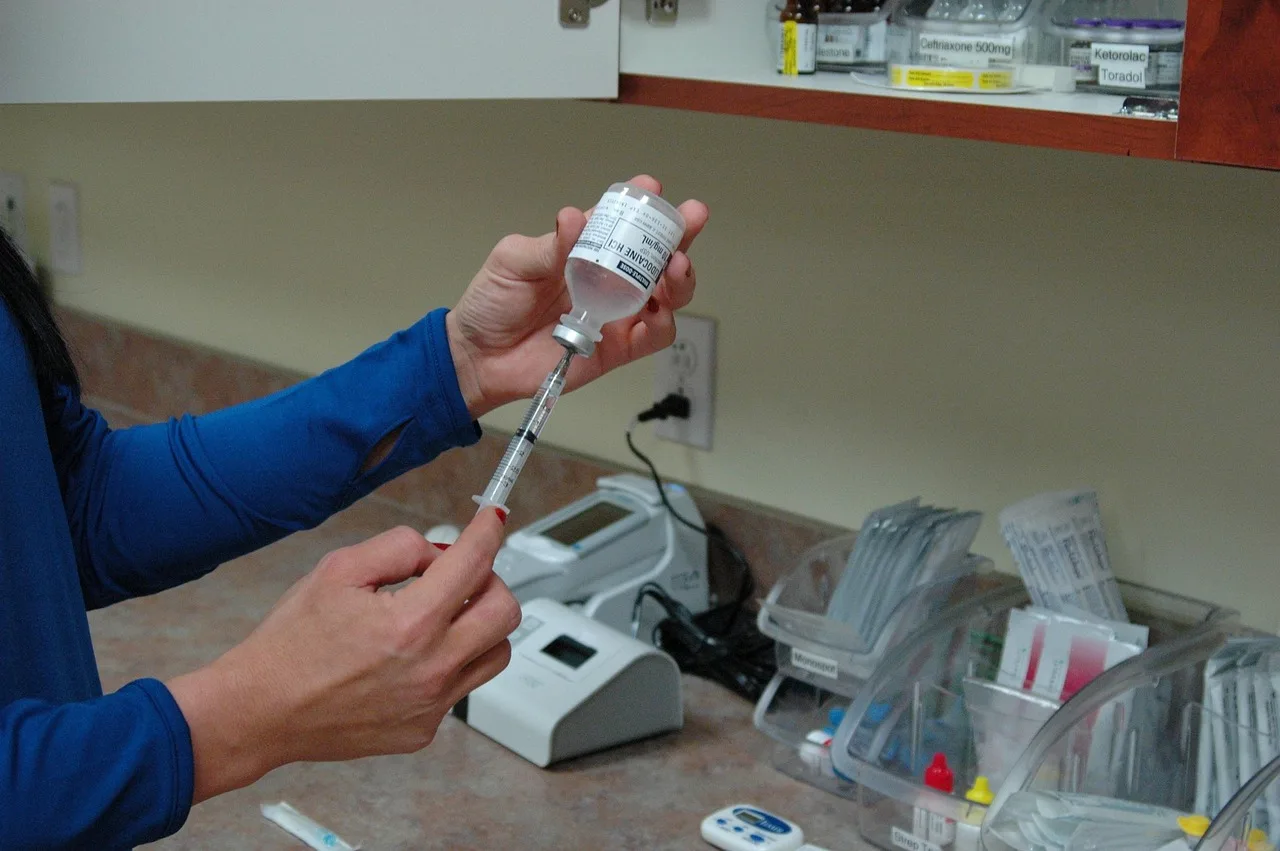
Pennsylvania says vaccination is available through a range of providers, including pediatric and primary-care offices, pharmacies, community health centers and public-health services. Its online dashboard tracks the outbreak's distribution and hospital impact.
The immediate test is whether those services close gaps where transmission is occurring. A statewide total captures the scale of the problem, but county-level reporting and access to protection determine how families experience it. As cases approach one thousand, officials need to demonstrate that the response reaches the communities behind the number.