Samsung pushes its new tablets closer to the desktop—with apps still the key
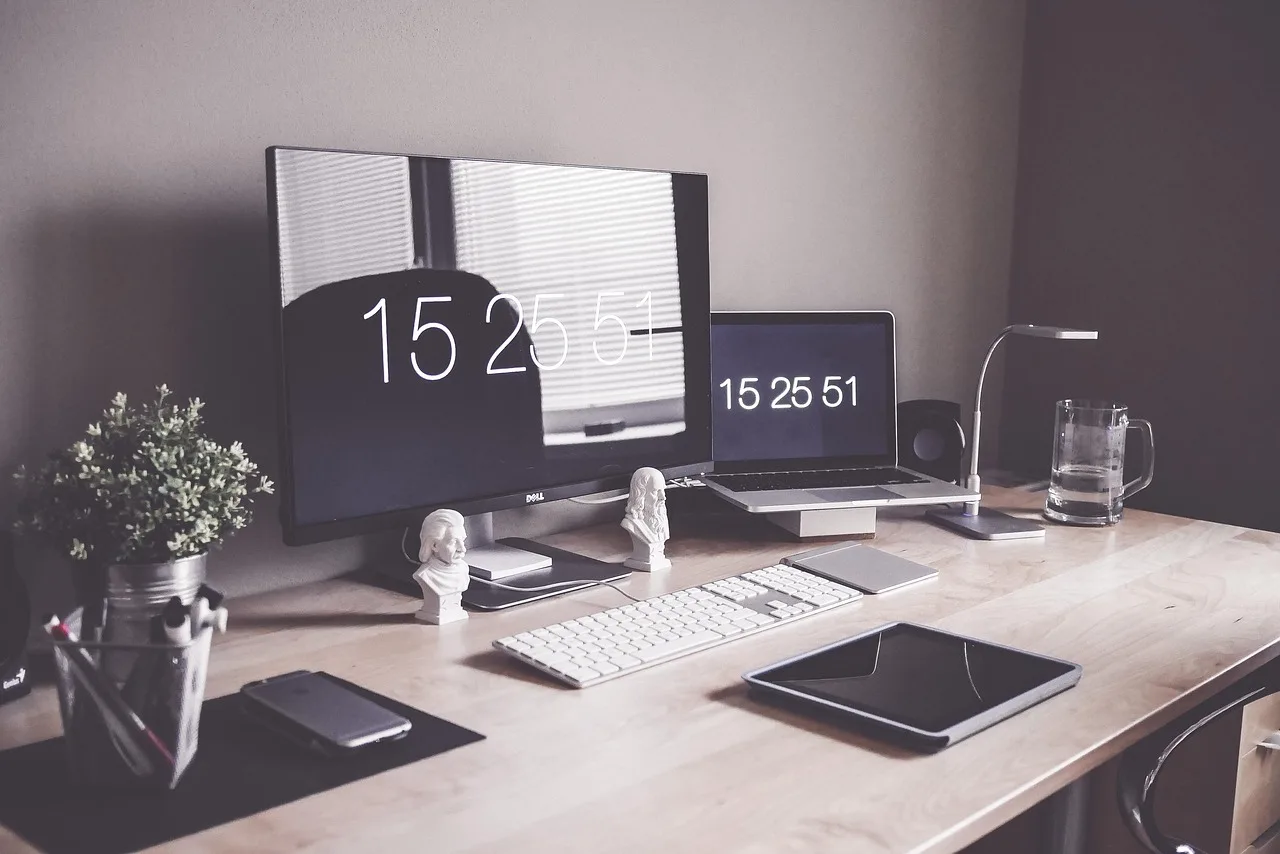
The Tab S12 range combines an S Pen with larger-screen multitasking.
Samsung is making another bid to turn the tablet into a serious work device, pairing larger screens and an included stylus with software designed to keep several tasks visible at once.
The Galaxy Tab S12 Ultra and Tab S12+ were announced in New Zealand on October 1, and Samsung's UK site lists availability from October 7. Samsung lists a 14.6-inch screen for the Ultra and a 12.6-inch display for the S12+, with an S Pen included in both models.
The company says the tablets run Android 17 with One UI 9 and can divide the screen into three working areas. It advertises a 3-nanometer processor, improved cooling and up to 23 hours of battery life for the Ultra, or 21 hours for the S12+. Those are manufacturer claims based on its testing, not independently measured results.
The hardware pitch sits within a broader change in Android's interface. Google's developer guidance describes desktop windowing as a way to run multiple applications in movable, resizable windows, with a taskbar and familiar minimize and maximize controls.
That capability also puts demands on the applications. Google tells developers to accommodate changing window sizes, denser layouts and more precise mouse interaction. An app designed around a fixed portrait screen may remain usable through compatibility behavior, but that is different from a layout designed to take advantage of a larger workspace.
Samsung's existing DeX support documentation describes a parallel route to a desktop-style setup: supported tablets can run DeX on their own screens or connect to compatible televisions and monitors. Display, keyboard and mouse preferences can then be adjusted for that environment.
The result is a more flexible physical setup for writing, reviewing documents and working across applications. It is not evidence that every desktop program has a tablet equivalent or that a buyer's particular workflow transfers without compromise.
Samsung's UK product page lists October 7 availability, and its UK registration page gives the same coming-to-market date. Regional announcements and on-sale dates therefore need to be distinguished from the worldwide unveiling.
The meaningful test for the new range will be how its applications use the extra space and input options. Samsung has supplied the screen size, stylus and multitasking features; the quality of the software experience will determine how much work users can actually move off their laptops.