Starliner’s next flight will carry no crew as NASA targets astronaut return in 2028
A new schedule puts another test ahead of certification, after an independent watchdog faulted NASA’s oversight of Boeing.
NASA and Boeing are preparing another uncrewed Starliner flight before returning astronauts to the spacecraft, setting out a recovery plan that extends the program’s long effort to win certification for regular crew transportation.
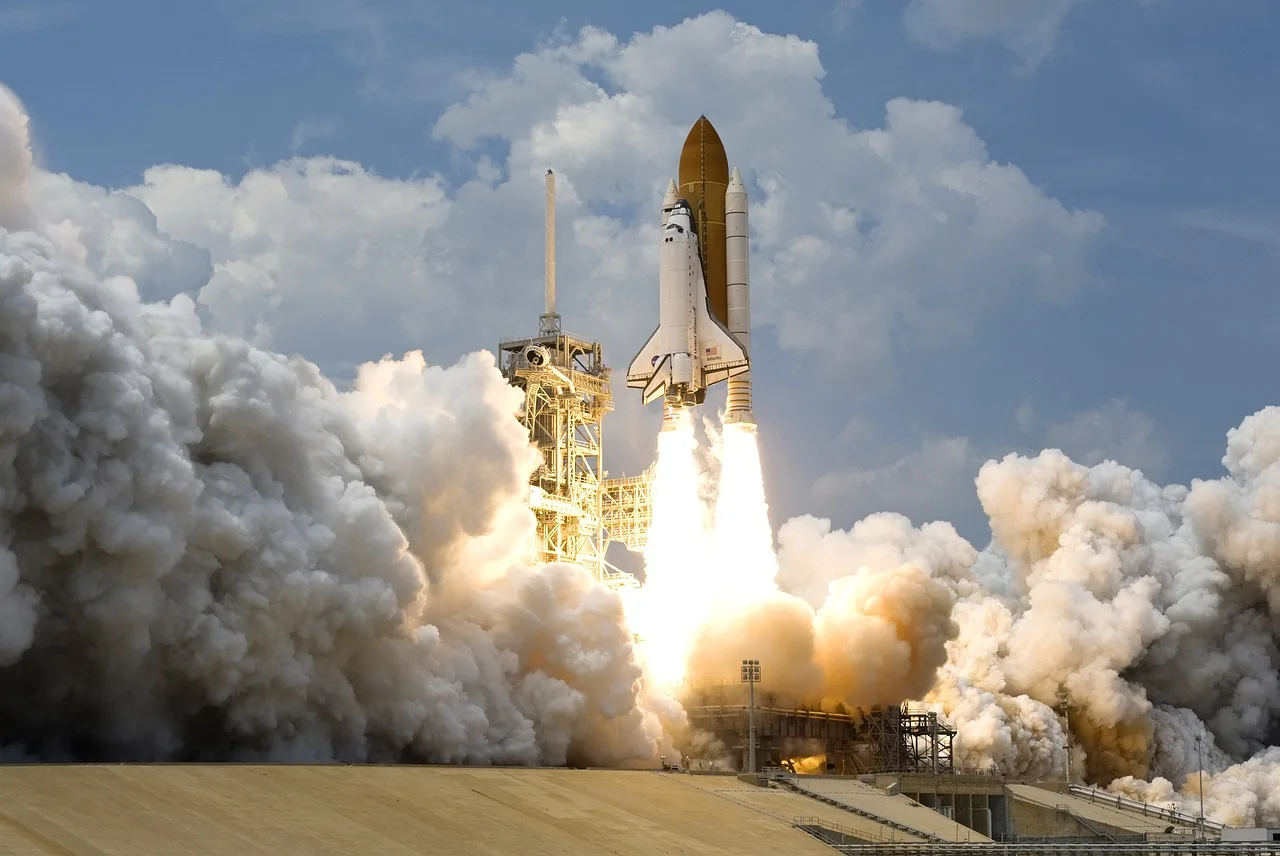
In a September 28 update, NASA said Starliner-1 could launch in December 2026 or January 2027. The mission is intended to evaluate engineering changes and collect performance data, rather than carry astronauts. The agency’s current plan is to return a crew on Starliner-2 by 2028, a target that still depends on testing and certification.
The immediate technical focus is the service module’s propulsion system. NASA says ground testing linked earlier thruster problems to heat conditions and design features. Boeing has made thermal modifications for the next flight, and further valve changes are planned before crewed operations. A successful launch alone will therefore not answer every outstanding certification question.
The plan follows the troubled 2024 crewed flight test, which ended with Starliner returning without its astronauts. A NASA investigation published in February identified programmatic and technical failures and produced 61 recommendations. The September update ties the next mission to demonstrating improvements, gathering qualification data and identifying remaining risks.
There is also an accountability problem beyond the hardware. NASA’s Office of Inspector General reported in June that the agency had initially placed too much confidence in Boeing’s experience and use of previously flown components. It said NASA accepted unrealistic schedules and did not fully use its limited contractual access to flight-simulator training data.
The watchdog found six years of delays and questioned $127.9 million in payments to Boeing. It also reported that NASA had spent an additional $17 million to accelerate SpaceX missions originally expected to be served by Starliner. These are oversight findings from the June audit, not newly announced costs of the September recovery plan.
The commercial crew program was built around more than one American transportation provider. SpaceX obtained certification in 2020; Boeing has yet to do so. That leaves the value of a second operational system set against the cost, time and safety requirements of bringing it into service. NASA has said it needs additional contracted flights to fully support station operations through the planned 2030 endpoint.
NASA’s stated sequence is an uncrewed flight targeted for late 2026 or early 2027, followed by the work needed for a crewed mission targeted for 2028. Those dates remain targets subject to the spacecraft’s testing and certification.