Supreme Court opens new term with a climate fight that could reach two dozen cases
Eight justices will hear Boulder's suit against oil companies on Monday, days after the court let the administration resume third-country deportations.
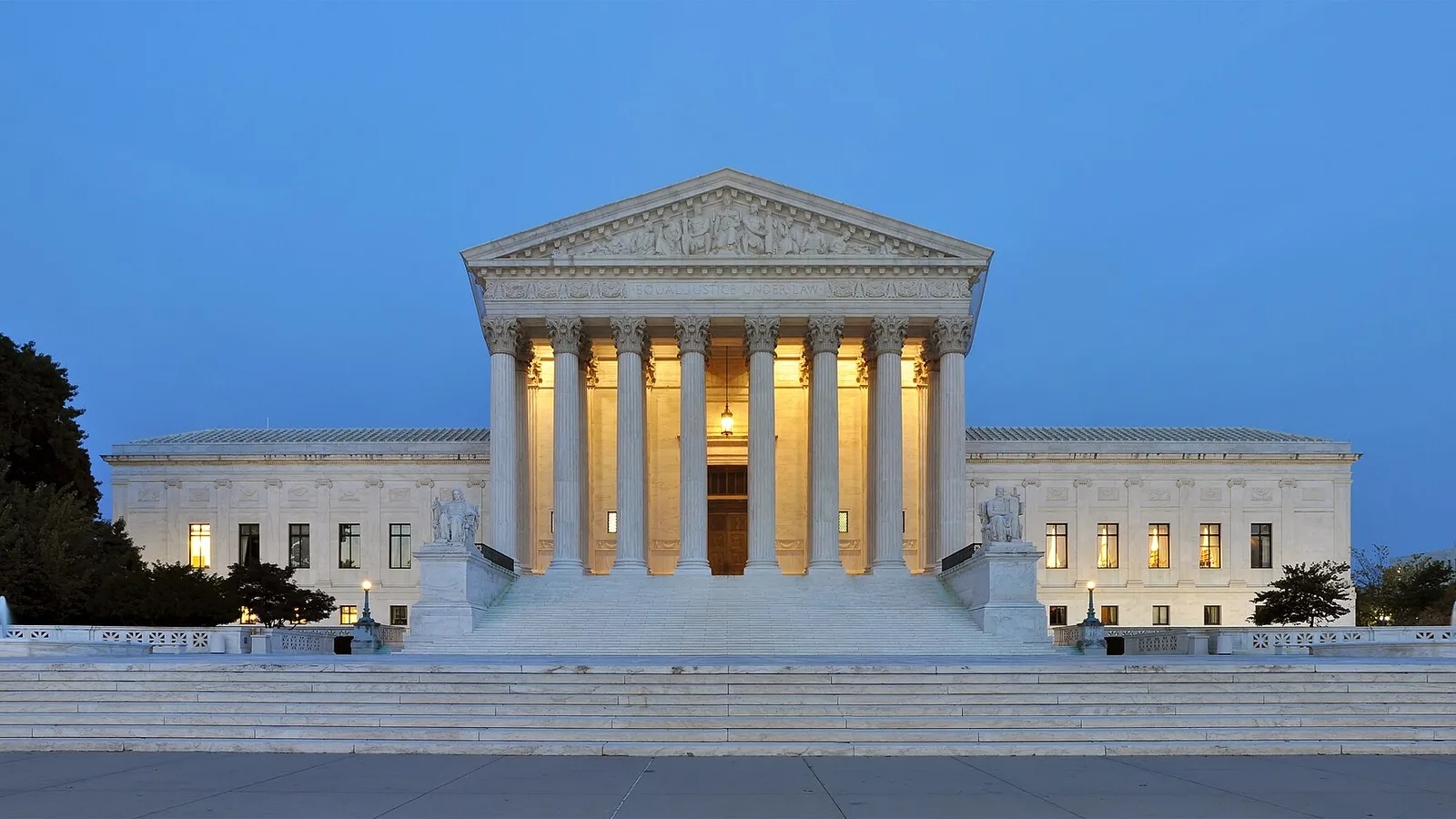
The Supreme Court opens its new term Monday with a case that could decide whether cities and states can make oil companies pay for climate damage.
The Supreme Court opens its new term on Monday with a case that could decide whether cities and states can make oil companies help pay for the cost of climate change.
The justices will hear Suncor Energy v. Commissioners of Boulder County, a lawsuit the Colorado county filed in 2018 against Suncor Energy and Exxon Mobil. Boulder alleges the companies misled the public about the role of fossil fuels in climate change and should share the cost of adapting to it.
The stakes reach well beyond Colorado. About two dozen similar cases are pending in state courts, and a broad ruling against Boulder could end most of them.
"A broad ruling against the county ends essentially all of them," Alejandro Camacho, a law professor, told CPR News.
The court will decide whether federal law overrides the county's state-law claims, and whether the justices can take up the case before it goes to trial.
Only eight justices will hear it. Justice Samuel Alito recused himself, and the parties were notified in a letter from the clerk on Tuesday. No reason was given.
The term begins days after the court handed the Trump administration a win on immigration. On Tuesday, the justices put on hold a lower-court order and allowed the government to resume deporting migrants to countries other than their own without first giving them notice.
Justices Sonia Sotomayor, Elena Kagan and Ketanji Brown Jackson would have kept the order in place. A federal court in Massachusetts and the 1st US Circuit Court of Appeals had required the government to give migrants "meaningful notice" before removing them to a third country.
"An individual's right to contest removal ... means little if one does not receive prior notice," Judge Seth Aframe of the 1st Circuit wrote, in a passage quoted by ABC News. The full case will be argued in December.
The emergency orders are becoming a defining feature of the court's work. "So now we have twice as many full court rulings on emergency applications as we have on the merits docket," Stephen Vladeck, a Georgetown law professor, told NPR.
The docket keeps growing. On Thursday the court agreed to hear three more cases, including a challenge to the administration's policy of detaining immigrants arrested inside the country without a bond hearing, and a dispute over zoning rules applied to religious institutions.
Other cases this term involve a Colorado Catholic parish seeking public pre-kindergarten funding and state bans on semi-automatic weapons, which are set for argument in December.
Arguments continue through the week. The justices will hear a case involving Intel's retirement plan on Tuesday and a dispute between the Air Force and a group in Guam on Wednesday.