Uganda wants to vaccinate 7.9 million children. Its own review shows why families are being missed
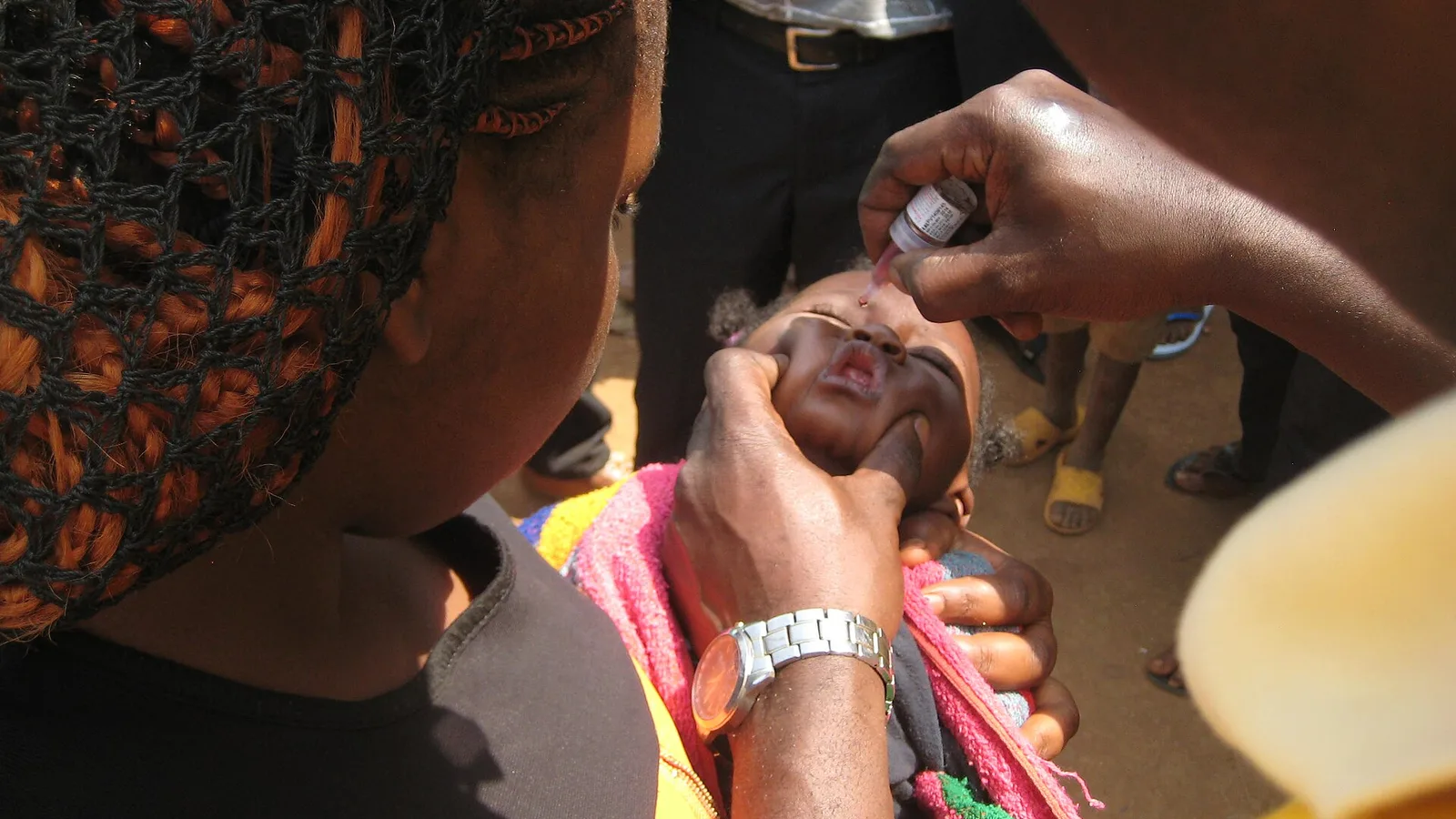
The national campaign seeks to close immunity gaps left during and after the pandemic.
Uganda has launched a nationwide measles-rubella campaign with an ambitious target: nearly 7.9 million children in five days. The harder task is reaching families who already want vaccination but have repeatedly been missed by the health system.
The drive covers children aged nine to fifty-nine months in all 146 districts and cities, according to an October 2 WHO report. Uganda added a second routine measles-rubella dose in October 2022, but approximately three million children missed it during and after the pandemic. Catch-up efforts have reached about half that number.
The target is not a completed tally. It describes the children the campaign seeks to reach; final coverage will require separate measurement.
A review published September 28 explains why another campaign became necessary. Uganda recorded sixty-six separate measles outbreaks in 2025. Only twenty-one of its 146 districts met the coverage target for the second vaccine dose. Among confirmed cases in the reviewed outbreaks, 64% had received no dose, and none of the investigated cases had received both recommended doses.
The review challenges the assumption that parental refusal is the main obstacle. Surveys involving nearly 1,900 caregivers across varied communities found strong demand for vaccination. Almost 93% of rural caregivers intended to fully vaccinate their children, while 99% knew where services were available.
Those findings do not mean resistance is absent everywhere. They do suggest that access and delivery deserve attention alongside public messaging. Authorities say preparations now use census information and household counts to improve planning, with readiness checks conducted ahead of implementation.
The two diseases pose different dangers. Measles spreads through the air and can lead to pneumonia, brain inflammation and death. WHO says two doses are needed because not every child develops immunity after the first. Worldwide, first-dose coverage was 84% in 2025, below the 2019 level of 86%.
Rubella is often mild in children and adults but can cause grave harm during pregnancy, including miscarriage and congenital abnormalities. WHO describes it as the leading vaccine-preventable cause of birth defects. Combining protection against the two viruses therefore addresses more than the immediate risk of a childhood rash.
The campaign's broader test will come after the five-day push. A large number of injections can coexist with pockets of children who remain unprotected if the same accessible communities are reached repeatedly while remote families are missed.
District-level coverage, completion of the routine schedule and follow-up in underserved communities will provide a more useful measure than the national target alone. Uganda's own evidence points toward a service-delivery problem: translating parents' willingness into reliable access to both doses, year after year.