Zambia seeks a new IMF deal as debt recovery meets pressure for jobs
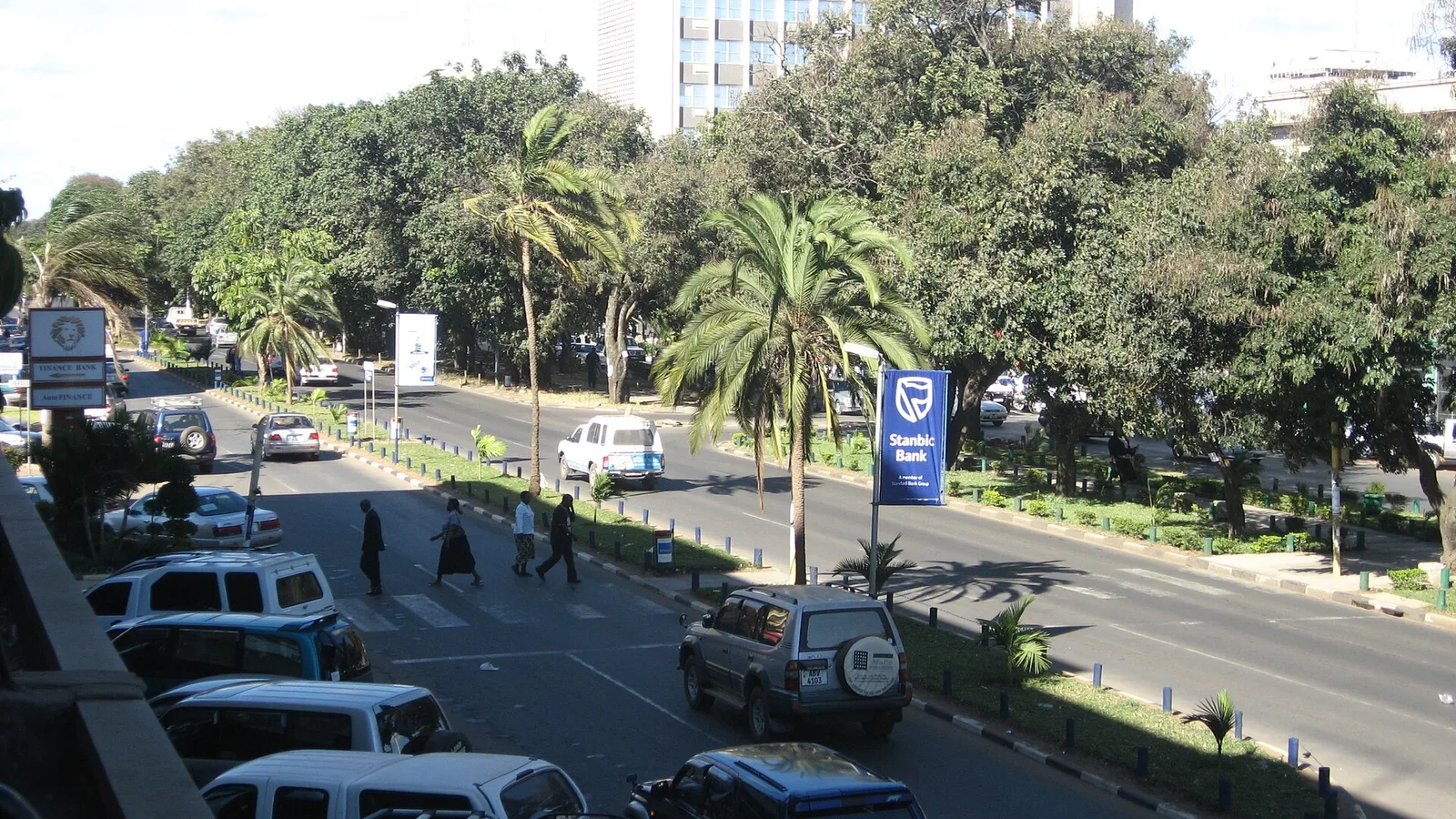
Talks in Lusaka put financing, energy constraints and private investment on the same agenda.
Zambia has opened talks with an International Monetary Fund mission on a new support programme, seeking to move from post-default stabilization toward stronger investment and employment.
The government announced the discussions on September 30. Reuters reported that the mission would remain in Lusaka until October 10 and that officials hoped to agree a successor to the previous $1.7 billion arrangement before the end of the year.
An IMF spokesperson confirmed the visit but cautioned against predicting the timing or outcome. The discussions covered sustainable public finances and debt, stronger reserves and more inclusive private-sector growth.
The priorities have been taking shape for months. In a May statement, IMF staff identified energy constraints, weaker mining activity and external shocks as pressures on Zambia’s outlook. The team recommended stronger revenue collection and greater transparency, including in emergency fuel procurement.
That earlier assessment also identified opportunities in copper processing, agriculture-related businesses, tourism and textiles. Those were areas for policy attention, not guarantees of new investment or jobs.
The new talks therefore concern both financing and the conditions needed to make growth more resilient. Zambia’s previous programme helped it through a prolonged debt crisis after its pandemic-era default, but a successor agreement had not been approved at the time of the September announcement.
The distinction matters for public expectations: a visiting mission can establish a negotiating agenda without committing the IMF’s board to a loan or a disbursement schedule.
The Fund's May assessment showed both the progress and the vulnerability behind the new negotiations. It said inflation had fallen to 6.8% in April, within the central bank's target range, while reserves had reached $6.4 billion. Those figures describe the position earlier in the year, not conditions measured during the September mission.
The same assessment identified pressure on the public finances from weaker tax collection, fuel-tax suspensions and agricultural spending. Its recommendation to publish emergency fuel-procurement terms connected financial stabilization with a practical governance issue: whether exceptional spending arrangements remain open to scrutiny.
For a successor agreement, that creates a harder test than securing an announcement. A programme would need to reconcile fiscal discipline with the electricity supply, productivity and investment conditions that businesses require to expand. Approval, the release of funds and the delivery of promised reforms remain different stages.
The previous arrangement formally concluded in January. The IMF board's January 27 decision completed its sixth and final review and enabled an immediate disbursement of about $190 million, bringing total programme disbursements to approximately $1.7 billion. The board described performance as broadly satisfactory but recorded missed reserve and arrears-clearance targets and delays in some structural reforms. That history provides a more specific benchmark for a successor than the size of the prospective loan alone.