A Korean banking group takes 3,000 workers wireless with private 5G
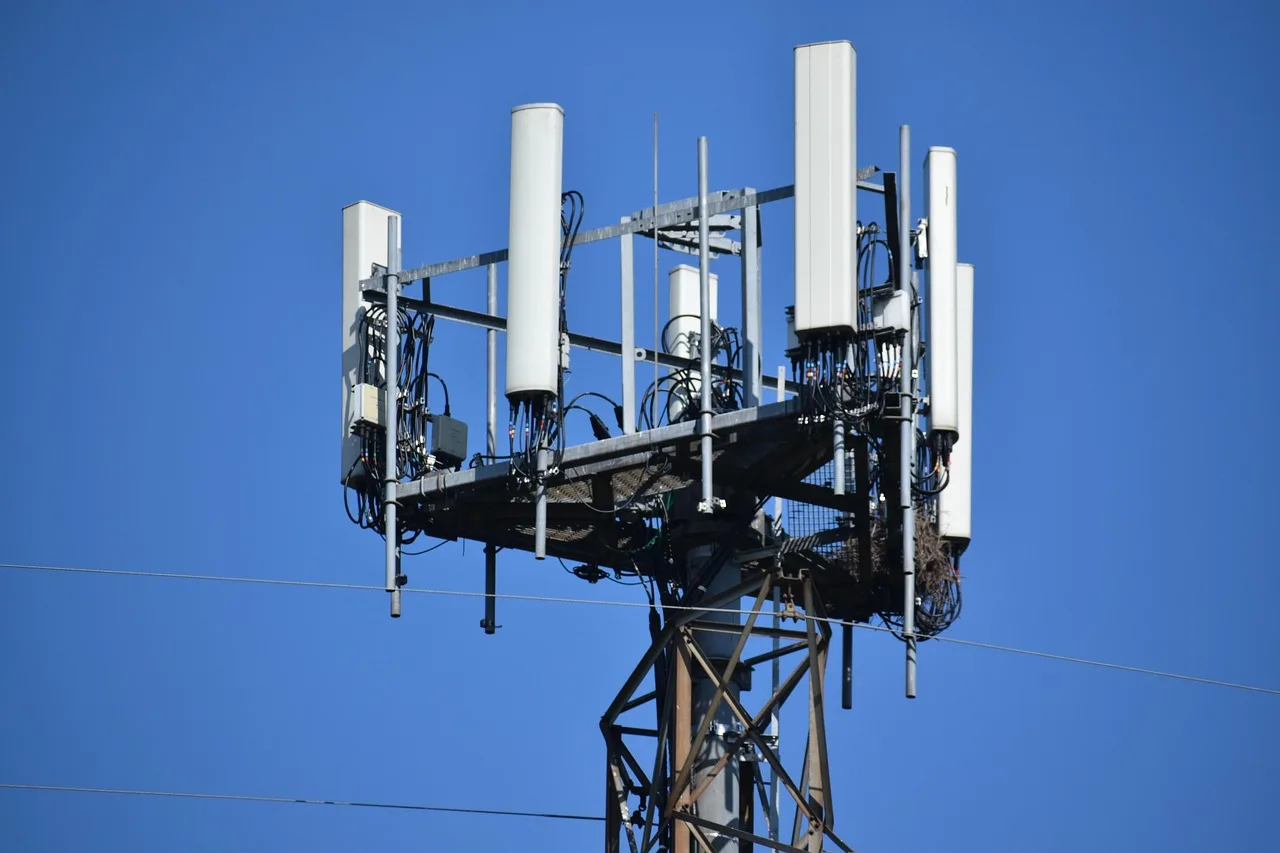
Samsung and SK Telecom support a network spanning 16 floors at Hana headquarters.
A South Korean financial group is moving its office network away from fixed desks and cables, installing a private 5G system across 16 floors of its new headquarters in Incheon.
Hana Financial Group, SK Telecom and Samsung announced the deployment on September 28. SK Telecom said it covers about 3,000 employees and ten affiliated companies at the group's Cheongna headquarters, where staff were moving in during September.
The network is intended to let employees carry connected laptops and tablets from desks to meeting rooms and collaboration spaces without leaving the controlled work environment. In conventional wired offices, changing seating arrangements can require new cabling; the companies say the wireless installation should reduce that burden.
Samsung supplied the radio equipment, baseband and cloud-native core. The deployment uses 4.7-gigahertz spectrum allocated for private 5G in South Korea. It is a dedicated enterprise network, rather than simply giving employees access to a public mobile service.
According to SK Telecom, Hana's IT subsidiary participated in the installation. Access is tied to registered work devices and users through security-USIM authentication. The operator described encryption of radio traffic and subscriber information, firewalls, denial-of-service defenses and access controls.
The architecture also separates the affiliates' working environments. Samsung says network slicing allows distinct virtual networks, while SK Telecom describes additional physical separation. That is intended to let different companies apply their own policies inside a shared headquarters.
The security distinction is important in finance: mobility expands where an employee can work, but does not eliminate the need to decide which systems that employee may access. The US National Institute of Standards and Technology's zero-trust guidance makes the same broader point, rejecting automatic trust based solely on whether a device is inside an organization's network.
That guidance is not a certification of Hana's installation. It explains why a private radio network and encryption are only parts of the security model: user and device authorization still determine access to individual resources.
SK Telecom said centralized management would monitor network usage and faults. It also described a design that could support later connections to smart-building systems, intelligent entry controls, mobile staff identification and AI-based workplace services. Those are planned possibilities, not evidence that every application is already operating.
The companies call the project a first for South Korea's financial sector. Their announcements do not provide an independent security audit or measured productivity improvement. The demonstrated development is a live private-network deployment at substantial office scale; the promised savings and operational benefits will depend on how it performs as employees use it.