Liquor giants face new pricing limits in FTC deal aimed at small stores
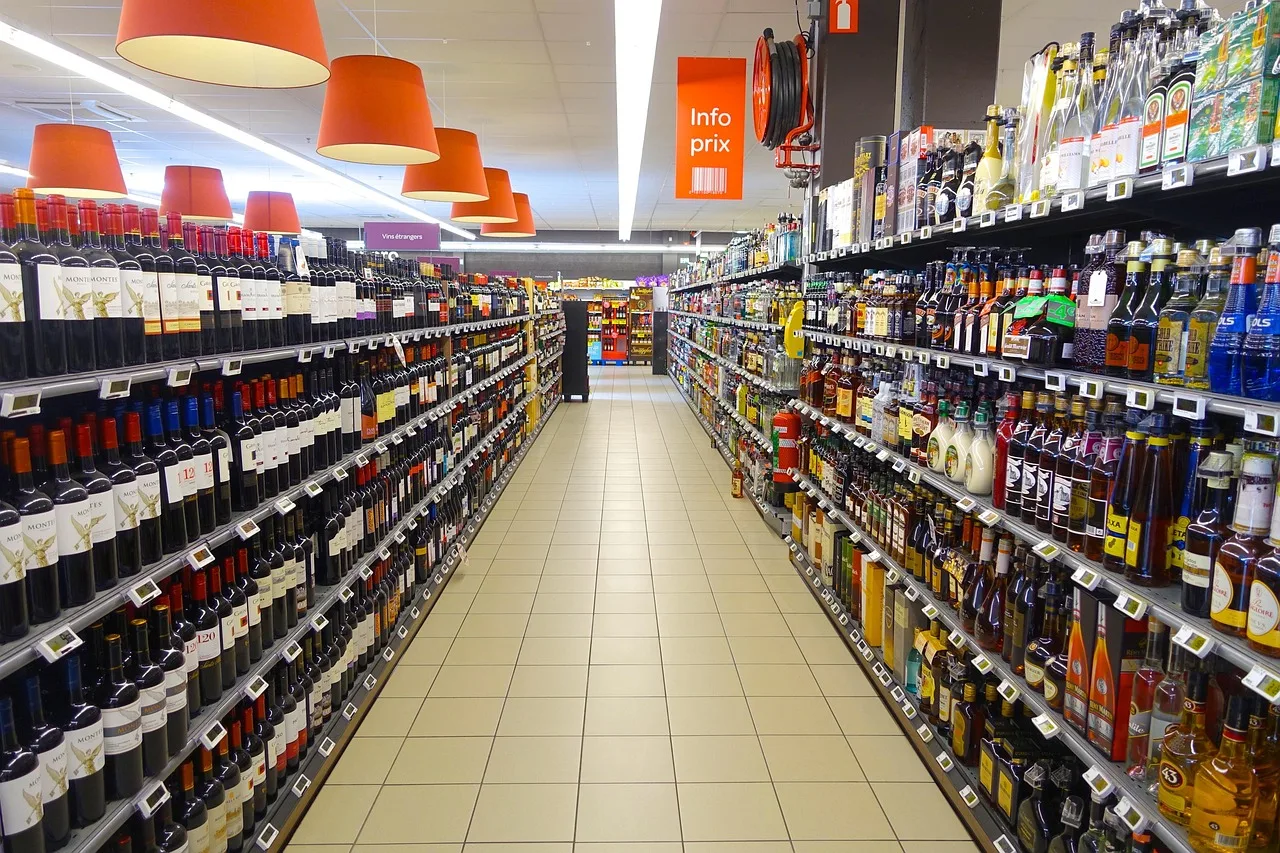
The proposed settlement would compensate independent retailers when qualifying price gaps favor nearby chains, with monitoring set to last six years.
Southern Glazer's, the country's largest wine and spirits distributor, has agreed to restrictions on how much more it can charge independent retailers than nearby large chains, in a federal settlement announced October 2.
The Federal Trade Commission says the proposed agreement addresses discounts and rebates that left small shops paying more for the same products as better-positioned competitors. The dispute goes to a basic question for independent retailers: whether a lower price offered to a chain reflects lower distribution costs or an unlawful competitive disadvantage.
The agreement follows a lawsuit filed in 2024 under the Robinson-Patman Act. The FTC says its order covers sales to the five largest chains across 26 states, with an independent monitor overseeing compliance for six years.
How the remedy would work
The proposed order focuses on comparable transactions: the same product sold at roughly the same time to a chain and a nearby independent retailer. Significant or recurring differences can trigger a payment to the smaller business.
According to the FTC, specified violations can be resolved by paying the affected retailer one-and-a-half times the aggregated price difference. If the company does not provide that relief and the commission successfully pursues enforcement, the payment can rise to twice the differential. The order requires a judge's approval before it has legal force.
That structure is intended to make future pricing behavior measurable, rather than resting only on a general promise to treat customers fairly. It also ties compensation to the retailer disadvantaged by the covered transactions.
The broader business stakes
AP reported that Southern Glazer's generated $26 billion in revenue from wine and spirits sales to retail customers in 2023, citing the FTC. Its scale means a change in distribution terms can affect a large network of sellers, from individual shops to national chains.
Reuters reported that the deal limits the company's ability to charge small retailers substantially more than nearby chain competitors. The settlement does not mean every store will have the same operating costs or set the same shelf price. Retail prices also reflect decisions made after products leave the distributor.
A separate California inquiry
The San Francisco Chronicle reported that California regulators were continuing their own investigation into alleged price discrimination even as the federal settlement was announced. State officials told the newspaper the matter could affect the company's operating license in its largest market.
That leaves separate legal processes running alongside each other. The federal agreement addresses the FTC's case; it does not, by itself, resolve the California inquiry or establish what state regulators will ultimately decide.