Micron’s earnings surge exposes AI’s memory bottleneck
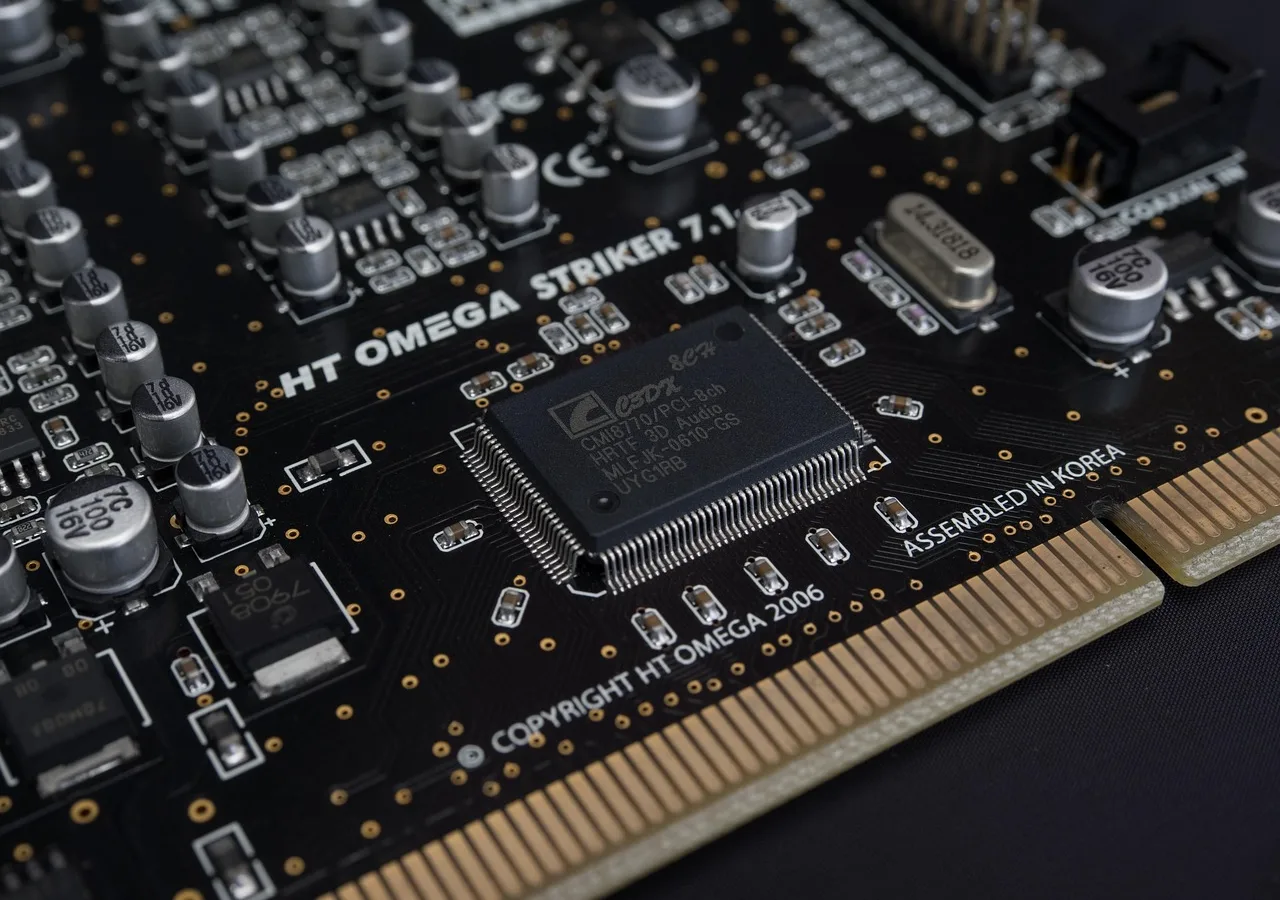
Record sales underscore the rewards of scarce supply, while capacity expansion creates a longer-term test for the chipmaker.
Micron reported a sharp increase in sales and profit on September 30, underscoring how the AI infrastructure race is turning memory from a supporting component into a critical constraint on computing capacity.
Revenue for its fiscal fourth quarter reached $54.23 billion, compared with $11.32 billion a year earlier. The quarter ended September 3. Net income under standard accounting rules was $37.70 billion, or $32.87 per diluted share; the company’s adjusted earnings measure was higher. Those measures should not be treated as interchangeable.
Chief Executive Sanjay Mehrotra said Micron was increasing investment in technology, products and manufacturing and expected a stronger fiscal 2027. The company reported $27.37 billion in net capital expenditure for the full fiscal year, alongside $133.19 billion in annual revenue. Its results show substantial capacity to invest, but new spending is not the same thing as immediate production.
The technological pressure is broader than storing more files. Micron’s September announcement of a denser server-memory module described demand from large language models, real-time inference and processors with many cores. These workloads require memory capacity, bandwidth and power efficiency together. Improving one measure does not automatically eliminate constraints elsewhere in a system.
An analysis by S&P Global ahead of the earnings release described Micron’s increasing work with customers on memory designs, particularly high-bandwidth memory, with development plans extending beyond 2030. It also noted that more complex AI workloads and longer context windows increase memory requirements. Where memory is insufficient, data can spill into slower storage, creating demand in more than one product category.
The same shift carries a risk that record quarterly numbers cannot settle. In its preceding quarterly filing, Micron warned that if demand for high-bandwidth memory weakens and manufacturers move capacity back into conventional DRAM, the resulting increase in conventional supply could be significant. The market can be tight now without remaining tight indefinitely.
That makes the timing of factory investment a central issue. Spending too slowly risks missing demand; building capacity for a growth rate that later weakens can change the supply balance. The latest results provide evidence of current demand and profitability, while management’s expectations describe a future that still depends on customers’ spending plans and competing production.
Micron’s financial release separates completed quarterly results from forward guidance. Its reported sales and margins describe the period already closed; the company’s forecasts for subsequent demand and supply remain estimates.