Samsung’s $1 billion AI bet reaches beyond chips to the power behind them
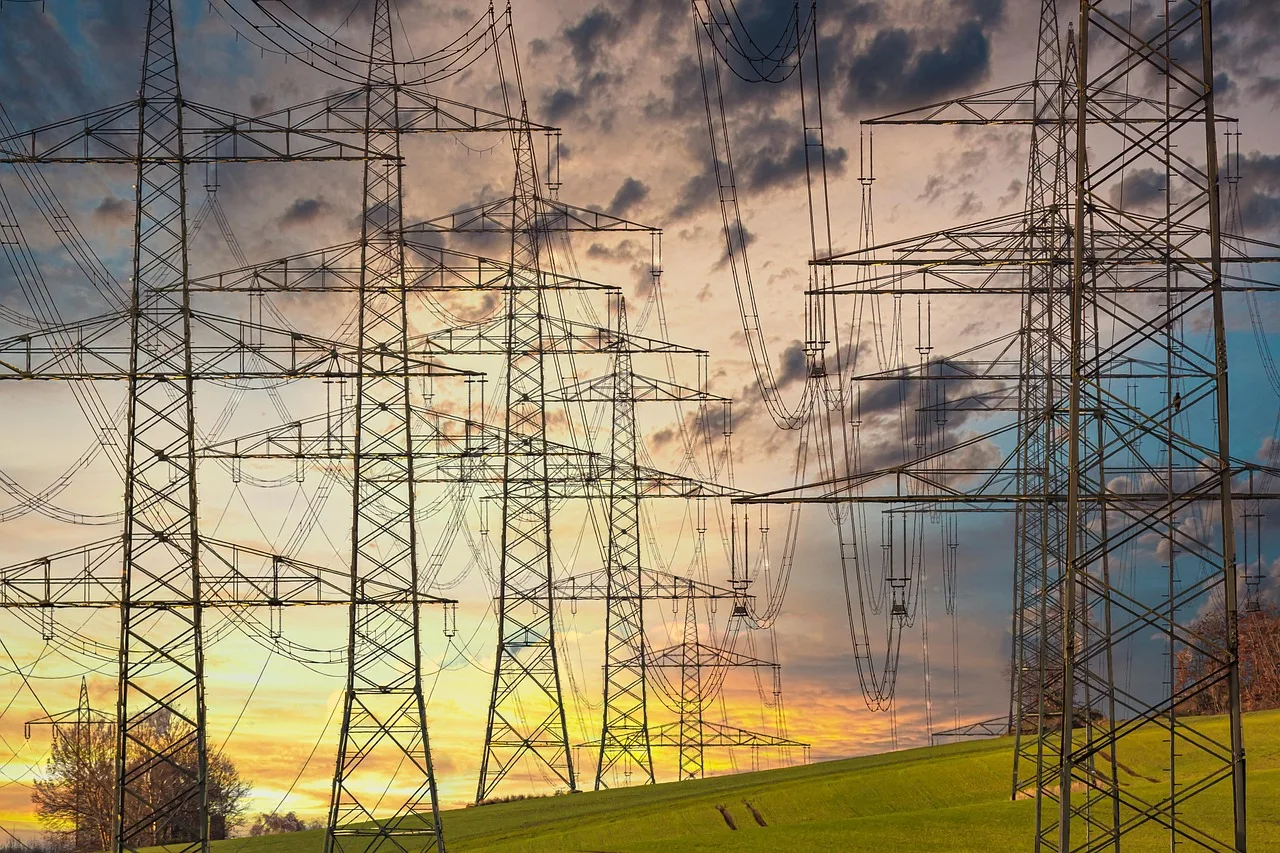
Six affiliates are backing KKR’s Helix platform, bringing construction, cooling and energy-storage interests into the data-center race.
Samsung and five affiliates are committing a combined $1 billion to Helix Digital Infrastructure, extending the South Korean group’s AI ambitions beyond supplying components into the facilities, electricity and networks needed to run them.
Samsung announced the investment on September 29 in Korea, following a September 28 announcement from Helix and its backer KKR in the United States. Samsung Electronics will contribute $500 million, with the remaining amount coming from Samsung C&T, Samsung SDS, Samsung SDI, Samsung Life Insurance and Samsung Fire & Marine Insurance.
Helix, established in June and led by former Amazon Web Services chief Adam Selipsky, is designed to develop data centers alongside power generation, transmission and connectivity. KKR said the new commitment builds on more than $10 billion pledged by founding investors including KKR, the Kuwait Investment Authority, Nvidia and US power company Vistra.
The companies describe an integrated answer to a fragmented infrastructure problem. A data center needs far more than processors: it must have reliable power, cooling, physical construction and connections to customers and other facilities. Samsung says its affiliates can contribute across several of those categories, potentially turning an investment relationship into operating business.
KKR’s disclosure makes that commercial connection explicit. Strategic investors will participate in Helix’s returns and may have priority or first-look rights to supply goods and services to its investments. That does not establish that any particular contract has been awarded, but it shows why the arrangement is more than a passive financial holding.
The structure offers potential coordination benefits while raising questions about how projects will be selected and delivered. Capital commitments do not themselves create operating capacity. The announcements did not identify a completed facility attributable to this investment, nor did they provide a project-by-project schedule showing when the new money would translate into usable infrastructure.
Samsung’s capabilities also do not eliminate the need to demonstrate results at individual sites. Its statement describes construction, cooling and battery expertise; KKR describes a global investment platform. The practical measures will be completed projects, available power and customers using the resulting capacity, rather than the size of the funding announcement alone.
KKR cautioned that expectations about demand and investment performance could differ from actual outcomes. That is especially relevant to a strategy built around long-lived physical assets serving rapidly evolving technology. The companies are betting that the infrastructure requirement will outlast changes in particular AI products.
The agreement gives participating strategic investors opportunities linked to the partnership’s infrastructure pipeline. Those access rights are distinct from completed construction, signed customer revenue or returns already earned on Samsung’s investment.