Senate blocks congressional stock-trading ban as lawmakers leave to campaign
Democrats voted down a House-passed bill that was paired with a national voter ID requirement. The Senate is not due back until November 9.
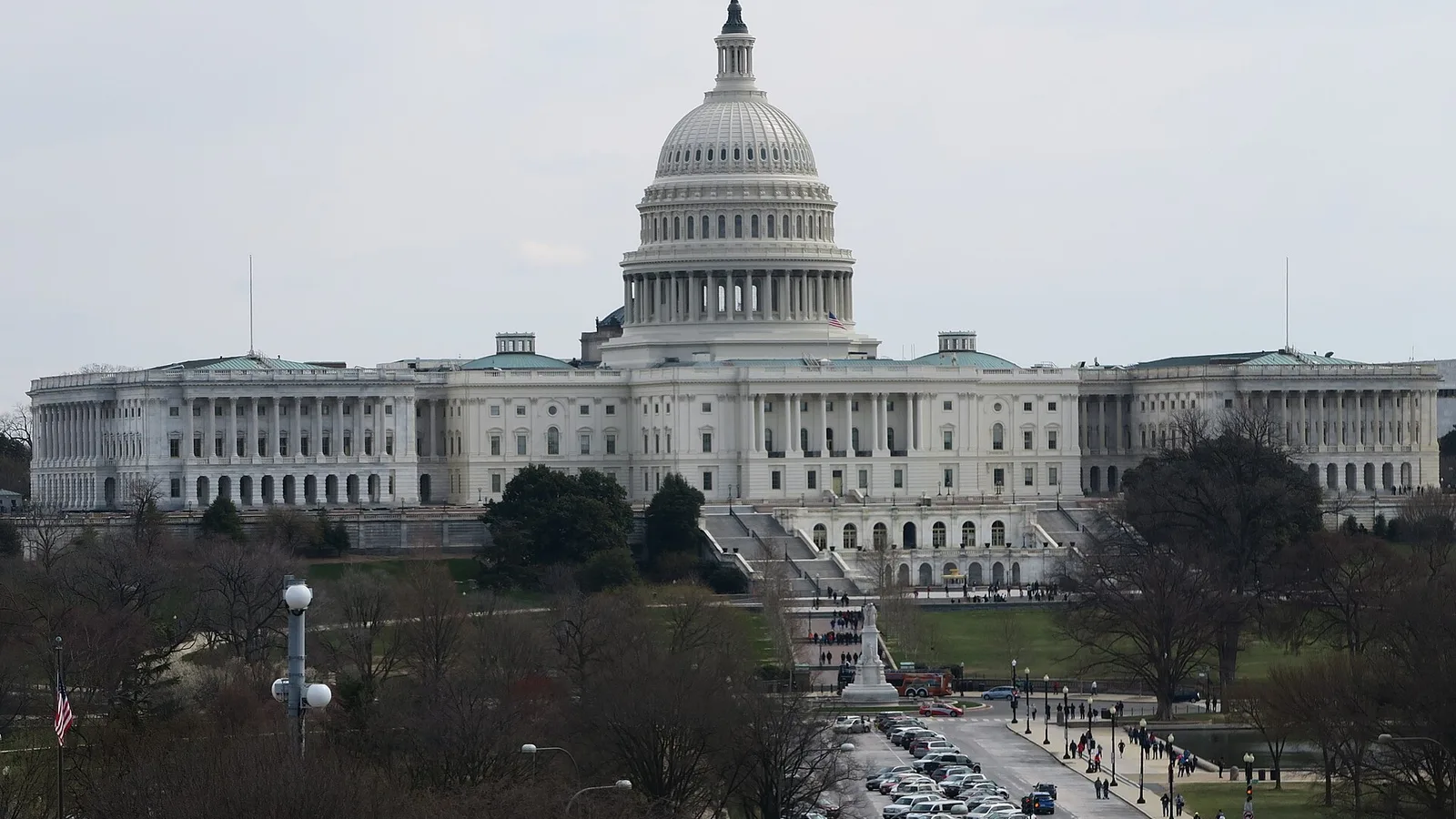
Senate Democrats on Wednesday blocked a House-passed ban on stock trading by members of Congress, objecting to a voter ID requirement attached to it.
Senate Democrats on Wednesday blocked a Republican bill that would ban members of Congress from buying individual stocks, objecting to a national voter ID requirement attached to the measure.
The procedural vote on the Stop Insider Trading Act failed 53-47 along party lines, seven votes short of the 60 needed to advance. All Republicans voted yes and all Democrats voted no.
The vote leaves a popular idea stalled with a month to go before the midterm elections, and gives both parties a campaign argument. Republicans say Democrats killed a crackdown on insider trading; Democrats say the bill was a vehicle for voting restrictions.
Senate Minority Leader Chuck Schumer called the bill "a permission slip for corruption, not a stock-trading ban," according to Forbes.
The bill would bar members, their spouses and dependent children from buying new stock in public companies, though they could keep what they already own. Sales would require seven days' public notice, with fines of $2,000 or 10% of the transaction for violations.
It also included a nationwide voter ID requirement modeled on the SAVE Act, which Democrats called a "poison pill."
"The House passed this bill in a bipartisan manner. It's discouraging that Senate Democrats failed to do the same," said Sen. Pete Ricketts, the Nebraska Republican who led the bill in the Senate.
The measure passed the House in July with White House support. Rep. Bryan Steil, a Wisconsin Republican, sponsored it there.
Not every Republican was a fan. Rep. Thomas Massie of Kentucky dismissed the effort as "political theater cooked up by 25-year-old staffers," the Latin Times reported.
Democrats back a different bill, the Restore Trust in Congress Act, which would require lawmakers to divest fully and would also cover the executive branch. It has not received a House floor vote.
The Senate did other business the same day. It confirmed Keith Sonderling as Labor Secretary by a vote of 47-41, and failed to advance the Ratepayer Protection Act on a 57-43 vote.
There is no government shutdown fight this fall. Congress passed a stopgap spending bill in September that keeps the government funded until December 11. None of the 12 annual spending bills for the 2027 fiscal year has been completed.
After a brief pro forma session on Thursday, the Senate left Washington for the campaign. It is scheduled to return on November 9, six days after the election, with the funding deadline weeks away.